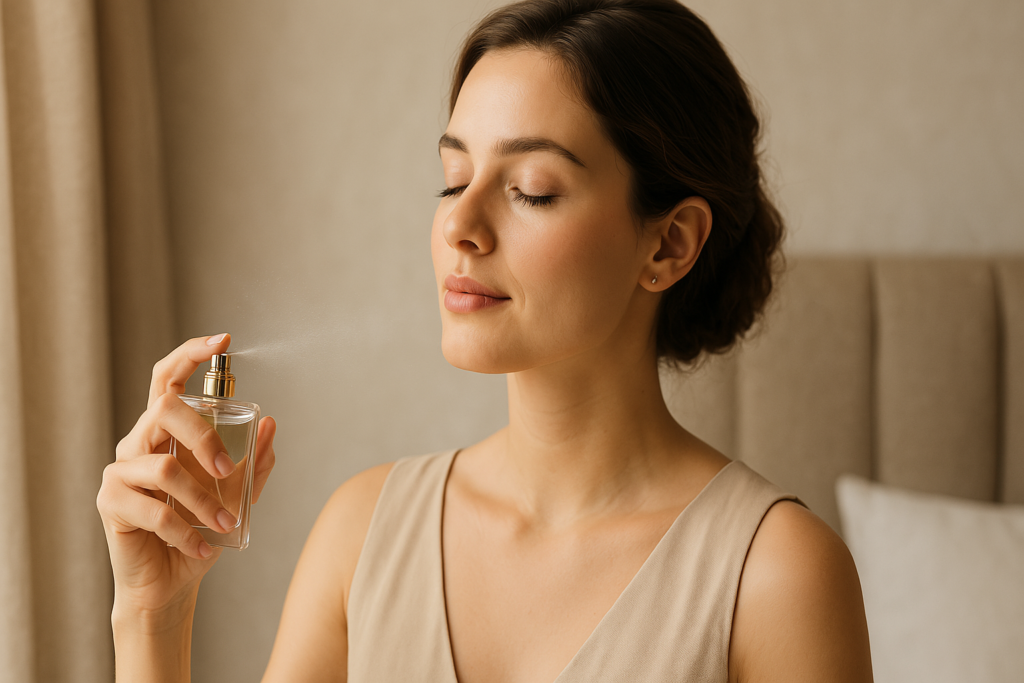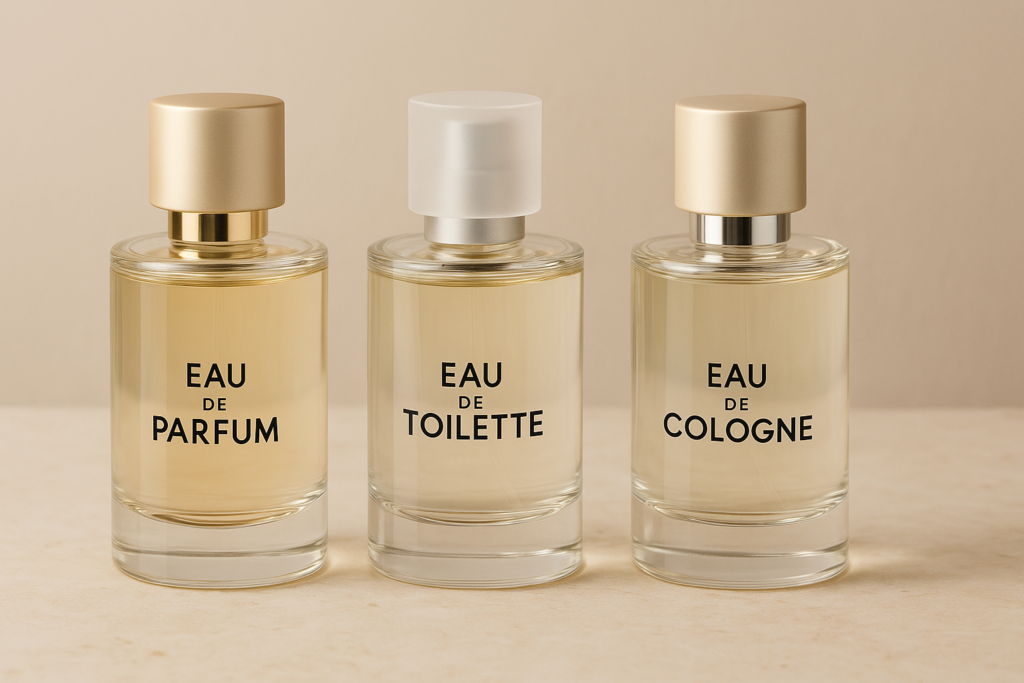
In the world of perfumery, there are different types of fragrances distinguished by their composition and concentration. The best known are perfume, Eau de Parfum, Eau de Toilette, and Eau de Cologne .
Each of these categories has unique characteristics that affect its intensity and duration. Understanding these differences can help you choose the most suitable fragrance based on your personal needs and preferences.
Understanding Fragrances
Fragrances are a fundamental part of wellness and beauty culture. Understanding their composition and classification is essential to appreciating their diversity and their significance in everyday life.
What is a fragrance?
A fragrance is a combination of aromatic essences and essential oils dissolved in alcohol and, sometimes, water. These mixtures create different aromas that can be perceived by the sense of smell. Fragrances not only offer a pleasant scent, but they can also evoke emotions, memories, and sensations.
Fragrances can vary significantly in their composition, resulting in a wide range of scent types, from floral and fruity to oriental and woody. This diversity allows everyone to find a fragrance that reflects their personality and lifestyle.
Fragrance classification according to concentration
Fragrances are primarily classified based on the concentration of essential oils they contain. This concentration directly influences the intensity, duration, and olfactory experience of each type of fragrance.
- Perfume: This is the most concentrated form of fragrance, with an oil content of between 20% and 30%. This high concentration provides an intense and long-lasting aroma.
- Eau de Parfum: Contains between 15% and 20% essential oils, offering a balance between intensity and duration, making it ideal for both day and night.
- Eau de Toilette: With a concentration of between 5% and 15% essences, it is characterized by its freshness and lightness, making it ideal for daily use.
- Eau de Cologne: It has the lowest concentration, with between 2% and 4% oils, resulting in a soft and ephemeral fragrance, perfect for frequent applications.
This classification allows consumers to choose the fragrance that best suits their situations and preferences, depending on the intensity and durability they desire in their scent.
Perfume: Intensity and Duration
Perfume is the most potent form of fragrance, distinguished by its high concentration of essential oils. The following explores the aspects that define its intensity and longevity.
Concentration of essence in the perfume
The concentration of essence in a perfume ranges from 20% to 30%. This high percentage of pure fragrance oils results in an extremely strong and long-lasting aroma. Its rich formulation allows the perfume to linger on the skin and clothing for an extended period, creating an intense and profound olfactory experience.
Perfume characteristics
- Longevity: A perfume can last up to 24 hours, depending on factors such as skin chemistry and the environment. This longevity makes it a preferred choice for those seeking a scent that will accompany them throughout the day.
- Projection: The high concentration of fragrance allows the perfume to project well, leaving a noticeable trail. This is especially valued on occasions where you want to make a lasting impression.
- Complexity: Perfumes often have more complex and elaborate notes. This means they can evolve throughout the day, revealing different nuances as the ingredients blend with the skin.
Ideal for special occasions
Due to its intensity, this perfume is especially suitable for special occasions. Its strong and seductive aroma creates a sophisticated atmosphere, ideal for formal events, elegant dinners, or evening celebrations. However, it can also be worn when you want to make a memorable impression, such as on important dates or at social gatherings.
Wearing perfume in less formal situations can be acceptable, but it's recommended to apply it sparingly to avoid being overpowering. The subtlety of its scent can be key to making it pleasant and not intrusive.
Eau de Parfum: Perfect Balance
Eau de Parfum is positioned as an intermediate option between the intensity of perfume and the freshness of Eau de Toilette. Its appropriate concentration allows you to enjoy a persuasive and long-lasting aroma.
Proportion of oils in Eau de Parfum
Eau de Parfum contains a concentration of between 15% and 20% fragrance oils. This proportion gives it a robust olfactory profile that appeals to those seeking a fragrance that is not too overwhelming but offers a significant presence.
Longevity and fixation of the Eau de Parfum
The longevity of Eau de Parfum typically ranges from 6 to 8 hours on the skin. This is due to its concentration of oils, which allows the scent to remain fresh and present throughout the day. Its staying power is remarkable, making this category an ideal choice for those who wish to enjoy their fragrance without frequent reapplication.
Everyday use of Eau de Parfum
Eau de Parfum is highly versatile and suitable for various occasions. Its balanced intensity makes it ideal for everyday wear, appropriate for both work and social settings. It's also particularly appreciated on summer evenings when a fragrance that stands out without being overpowering is desired.
- Perfect for everyday use in work environments.
- Recommended for social events where you want to leave a lasting impression.
- An excellent choice for nighttime use, offering a seductive aroma without being overwhelming.
Eau de Toilette: Freshness and Lightness
Eau de Toilette is known for its light and fresh character, making it a perfect choice for everyday wear. Its fragrance is suitable for various occasions and climates, which makes it a favorite among many.
Concentration of essence in Eau de Toilette
The concentration of fragrance oils in Eau de Toilette varies between 5% and 15%. This proportion allows the fragrance to be more subtle compared to more concentrated perfumes, offering a pleasant olfactory experience without being overwhelming.
How long does an Eau de Toilette last?
An Eau de Toilette typically lasts between 3 and 5 hours on the skin. This lifespan can be influenced by factors such as skin type, ambient temperature, and how the fragrance is applied. Due to its shorter duration, it's common to need to reapply it throughout the day.
Best season and situations for Eau de Toilette
Eau de Toilette is ideal for warm climates, as its freshness and lightness provide a refreshing sensation in high temperatures. It's perfect for:
- Daily use in informal situations.
- Outdoor activities, such as walks or picnics.
- Summer events or casual get-togethers.
- Daytime wear, where an intense fragrance is not necessary.
By its very nature, Eau de Toilette has become popular among people who seek scents that can be applied liberally and provide a long-lasting feeling of freshness.
Eau de Cologne: The Lightest Fragrance
Eau de Cologne is known for its freshness and lightness, making it a popular choice for those seeking a subtle and refreshing fragrance. Below, we analyze its characteristics, longevity, and everyday use.
Characteristics of Eau de Cologne
Eau de Cologne is characterized by its low concentration of fragrance oils. Its composition includes between 2% and 4% oils, making it perfectly suitable for those who prefer less intense aromas.
- The fragrances are usually fresh and less complex.
- They come in large bottles, allowing for generous applications.
- They can be found in a variety of olfactory notes, suitable for all tastes.
Longevity of the Eau de Cologne
One of the most notable characteristics of Eau de Cologne is its longevity. These fragrances typically last for about two hours on the skin. This short duration makes them ideal for times when you're looking for a refreshing fragrance throughout the day.
Eau de Cologne for everyday use
Eau de Cologne is a very common everyday fragrance, especially in warm climates. Its light texture makes it perfect for applying at any time of day and in informal situations. Its versatile nature allows for frequent use, providing a feeling of renewed freshness.
- Ideal for everyday activities and casual encounters.
- Recommended for children and young people due to its softness.
- Commonly used as part of daily personal hygiene.
Key Differences between Perfume, Eau de Parfum, Eau de Toilette and Eau de Cologne
Fragrances are distinguished primarily by their concentration of oils, duration, and composition. The most significant differences between them are described below.
Concentration and proportion of essences
The concentration of essential oils in each type of fragrance determines its intensity and appropriate use. Typical concentrations are detailed below:
- Perfume: Contains between 20% and 30% fragrance oils, making it the most concentrated option.
- Eau de Parfum: Its concentration varies between 15% and 20%, offering a balance between intensity and lightness.
- Eau de Toilette: It has a concentration of between 5% and 15%, making it lighter and fresher.
- Eau de Cologne: It has the lowest concentration, with only 2% to 4% fragrance oils, which gives it its ephemeral character.
Scent duration on skin
The longevity of the scent also varies considerably between fragrances. The average lasting time is specified below:
- Perfume: It can last up to 24 hours on the skin, thanks to its high concentration.
- Eau de Parfum: Its duration ranges between 6 and 8 hours, making it an ideal option for daily use.
- Eau de Toilette: Generally lasts between 3 and 5 hours, which may require reapplication during the day.
- Eau de Cologne: Its effect lasts around 2 hours, making it suitable for frequent applications.
Composition and aromatic notes
The composition of each fragrance is affected not only by the concentration of oils, but also by the complexity of the aromatic notes they contain:
- Perfume: It usually has a more complex structure, with deeper and richer notes.
- Eau de Parfum: Offers a good mix of middle and base notes, balancing depth and lightness.
- Eau de Toilette: It is characterized by its freshness, with lighter and less complex notes.
- Eau de Cologne: Often features fresh, citrus notes, ideal for a subtle scent.
How to Choose the Right Fragrance
Choosing the right fragrance requires considering several factors. The choice can be influenced by the occasion, the season, and personal characteristics. Below are some key aspects that will make this decision easier.
Considerations depending on the occasion
When selecting a fragrance, it's essential to consider the occasion. Each event has its own atmosphere and therefore requires a specific type of scent. Key considerations include:
- Formal events: For occasions such as weddings, gala dinners, or business meetings, it's advisable to opt for more intense fragrances like Eau de Parfum or perfume. These options typically offer greater longevity and projection.
- Daily use: For everyday activities, especially in work environments, light fragrances such as Eau de Toilette or Eau de Cologne are ideal, as they provide freshness without being overwhelming.
- Sports activities: In these cases, choosing a fragrance that doesn't feel heavy is essential. Colognes or Eau de Toilette are perfect because of their lightness and ease of reapplication.
Seasonal fragrance selection
The season also influences the choice of fragrance. Scents often evoke feelings and emotions that can vary with the weather.
- Spring: Fresh, floral fragrances that reflect nature's rebirth are recommended. Eau de Toilette fragrances tend to work very well at this time of year.
- Summer: Citrus or aquatic fragrances are ideal for beating the heat. A light Eau de Cologne or Eau de Toilette is perfect for staying fresh.
- Autumn: You can choose spicier and more enveloping scents that bring warmth and comfort. Eau de Parfum are excellent for this season.
- Winter: In the colder months, intense and deep fragrances, such as perfumes rich in amber or woody notes, are usually more appropriate, providing a feeling of warmth.
Skin and fragrances: what you should know
The way a fragrance is perceived can vary depending on skin type. Some points to consider are:
- Skin type: Oily skin tends to retain fragrances better, while dry skin may require more frequent application, as the scent can fade more quickly.
- Skin pH: Each person's pH can alter how fragrance notes develop. Testing before buying helps determine how it reacts with your skin.
- Humidity: Humidity also affects the projection and longevity of the scent. In humid climates, lighter fragrances tend to be more effective, while heavier fragrances can be overwhelming.