Artificial nails are a popular way to beautify hands and offer a quick solution for unhealthy nails. There are different types of artificial nails, each with specific characteristics and applications. This article covers the various types of artificial nails currently available, their differences, application techniques, and the care needed to keep them in good condition. Frequently asked questions about their use will also be answered.
Types of artificial nails that exist today
The use of artificial nails has become firmly established in the beauty world, offering diverse options that adapt to different aesthetic needs and lifestyles. Each type of artificial nail has unique characteristics, allowing users to choose the one that best suits their personal preferences.
- Acrylic Nails: This type is made from a polymer powder mixed with a monomer liquid. Its application can result in elaborate and stylish designs, also providing high durability, which can last from 4 to 6 weeks.
- Gel nails: The popularity of this type has grown thanks to its glossy finish and natural appearance. They are applied in layers that cure under UV or LED light, offering flexibility and a less aggressive look for the natural nail.
- Polygel nails: This innovative technique combines aspects of acrylic and gel nails, resulting in a lighter and longer-lasting application. They harden under LED light, which is less damaging than UV light, making them an attractive option.
- Porcelain nails: Often mistaken for acrylics, these nails are thinner and more delicate. Their material is ideal for those seeking an elegant finish. However, they are more prone to breakage and require more care during use.
- Fiberglass or Silk Nails: This type uses thin materials that adhere to the natural nail with resin. It provides a natural appearance and is ideal for repairing weak nails, although it tends to require more frequent touch-ups.
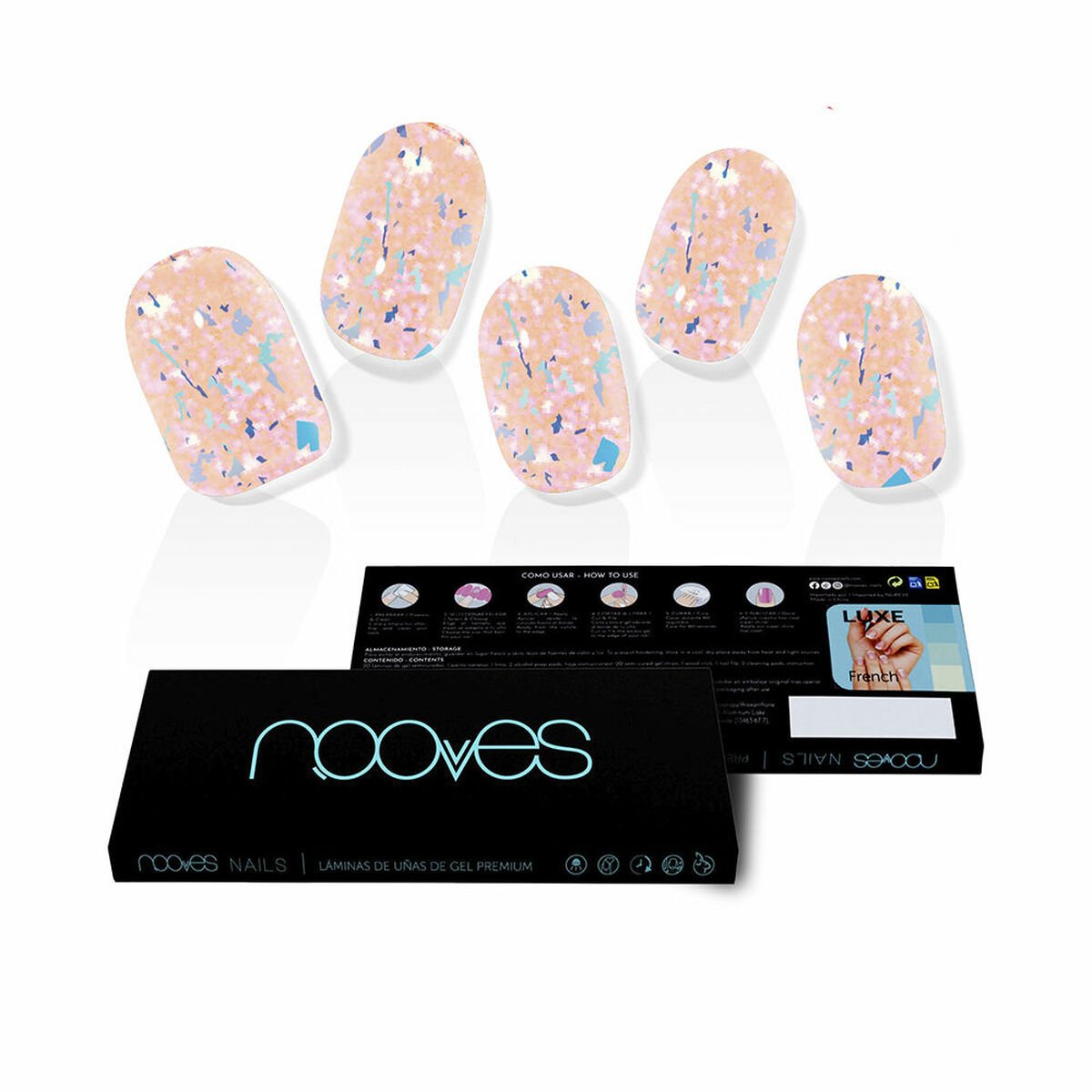
- Press-on Nails: Also known as press-on nails, these prefabricated nails are easy to apply and remove. They are a quick solution for those who want a striking look temporarily and without the need for long-term maintenance.
Different types of artificial nails allow users to experiment with various styles and extend the beauty of their hands. The right choice depends on factors such as durability, required care, and personal style. These options are ideal both for those seeking an aesthetic change and for those who wish to enhance the appearance of their natural nails.
Differences between the types of artificial nails
Choosing between different types of artificial nails depends on several characteristics that affect their appearance, durability, and application method. Each type can offer a different experience, so understanding the key differences is essential.
An important factor is the composition of each type of artificial nail. For example, acrylic nails are created from a mixture of polymer powder and monomer liquid. This gives them great strength, allowing for elaborate designs. In contrast, gel nails are made from a special gel that hardens under UV or LED light. This type tends to offer a more natural and flexible finish.
On the other hand, polygel nails combine the best features of acrylic and gel nails, achieving a balance between lightness and durability. This makes them a popular choice for those seeking a versatile alternative. Porcelain nails, although frequently confused with acrylics, are more fragile and have a softer texture, resulting in a more delicate finish.
- Durability: Acrylic nails typically last between 4 and 6 weeks, while gel nails last an average of 2 weeks. Polygel nails fall somewhere in between, lasting about 3 to 4 weeks. Porcelain nails, on the other hand, usually need to be replaced every 2 to 3 weeks.
- Application method: Acrylic nails require a manual process where the technician molds the material onto the natural nail. In contrast, gel nails are applied in layers and cured under a lamp, which can make their application faster and less laborious.
- Maintenance: Gel and acrylic nails require refills every 2 to 3 weeks, which means a time commitment. In contrast, press-on nails are much easier to manage, as they can be applied and removed quickly, making them ideal for temporary events.
Finally, the finish and aesthetics also play a significant role in the choice. Fiberglass and silk nails offer a more subtle and natural look, are less damaging to natural nails, and are suitable for repairs. On the other hand, acrylic nails allow for greater versatility in terms of shapes and designs.
Application techniques for artificial nails
There are various techniques for applying artificial nails, each suited to different nail types and aesthetic preferences. Proper application is essential not only for achieving a professional finish but also for ensuring the health of the natural nails.
Acrylic Nails
To apply acrylic nails, the process begins with preparing the natural nail. It is dehydrated and cleaned to ensure good adhesion. Then, the acrylic powder is mixed with the monomer liquid. This mixture is carefully applied to the nail, shaping it as desired with a brush. Once applied, the acrylic is left to air dry, which takes only a few minutes. Finally, the nail is filed and shaped as desired.
Gel Nails
For gel nails, application requires a UV or LED lamp. The process begins by cleaning the nail and applying a base coat. Then, successive layers of gel are applied, curing each layer under the lamp. This process ensures a uniform and natural finish. Finally, a top coat is added for protection and shine, which is also cured under the lamp.
Polygel nails
The polygel nail technique combines the best of acrylic and gel nails. A base coat is applied to the natural nail and cured under an LED light. Then, the polygel is applied over the nail. This type of application is lighter and easier to shape. Once the desired design is achieved, it is cured again under an LED light to ensure its durability.
Porcelain Nails
Applying porcelain nails follows a similar process to acrylic nails. First, porcelain powder is mixed with an acrylic liquid. This mixture is applied to the nail, taking care not to use too much. It is left to air dry, and once it has hardened, it is filed to achieve the final shape. Special care is required to prevent breakage, as they are thinner and more fragile.
Fiberglass Nails
To apply fiberglass nails, the process begins by cleaning the natural nail and applying a layer of resin. Next, the fiberglass is placed over the nail, and a second layer of resin is added. This technique allows for repairs and is useful for weak or brittle nails. Once dry, the nails are filed to shape and smooth them.
Press-on Press-on Nails
Press-on nails are the easiest to apply. You choose the right size and place the press-on nail over your natural nail, pressing firmly. Some come with pre-applied adhesive, while others may require additional glue. This method is ideal for quick, temporary changes, allowing for a fast manicure without a complicated process.
Care and maintenance for artificial nails
Proper maintenance of artificial nails is essential to prolong their lifespan and ensure the health of your natural nails. Each type of nail requires specific care to guarantee a flawless appearance and prevent damage. Following appropriate care guidelines is fundamental to enjoying well-groomed hands.
Daily care
To keep artificial nails in optimal condition, it's crucial to adopt a daily care routine. This includes:
- Clean your nails carefully to avoid the buildup of dirt and bacteria.
- Apply moisturizing cream to your hands and cuticles to keep your skin in good condition.
- Wear gloves when performing household tasks that involve contact with chemicals.
Regular maintenance
Regular touch-ups and maintenance are necessary to ensure the longevity of artificial nails. Depending on the type chosen, the following may be required:
- Acrylic and gel nails: Refills every 2-3 weeks to cover the growth of the natural nail.
- Polygel nails: These also need adjustments every 3-4 weeks, maintaining the shape and integrity of the design.
- Fiberglass nails: Frequent maintenance is recommended to ensure they remain strong and aesthetically pleasing.
Avoid damage
To preserve artificial nails, it's advisable to take certain precautions. These include:
- Do not use your fingernails as tools to open objects, as this can cause breakage.
- Avoid prolonged contact with hot water to prevent the adhesive from loosening.
- Limit exposure to chemicals that can weaken the material of artificial nails.
Secure retirement
When it's time to remove artificial nails, it's essential to do so safely to avoid damaging your natural nails. Some recommendations are:
- For acrylic and gel nails, it is advisable to go to a professional for proper removal.
- If pressure nails are used, they can be gently peeled off without causing damage to the natural nail.
With proper care and constant maintenance, artificial nails can look beautiful and in excellent condition for a long time.
Frequently asked questions about types and use of artificial nails
The growing popularity of artificial nails has led to numerous inquiries about their application and maintenance. Below are some of the most frequently asked questions.
- How long can press-on nails last?
The lifespan of press-on nails varies depending on the type of material used. Generally, acrylic and gel nails can last between 2 and 6 weeks with proper care, while press-on nails are usually temporary, suitable for special occasions. - Are they harmful to natural nails?
Improper use of artificial nails can damage natural nails. For this reason, it is essential to follow the application instructions and remove the nails properly to minimize any negative effects. - Can press-on press-on nails be reused?
While it's possible to store and occasionally reuse press-on press-on nails, repeated use can compromise their adhesion and appearance. It's recommended to use new ones to ensure optimal results. - How should they be removed?
The removal technique depends on the type of artificial nails. For acrylic and gel nails, it's advisable to go to a professional. Press-on nails can be removed carefully, gently peeling them off by hand or using a suitable remover. - What care should I take with artificial nails?
Maintenance is key to prolonging the life of artificial nails. It is recommended to: - Avoid prolonged exposure to water and chemicals.
- Apply cuticle oil to keep natural nails moisturized.
- Schedule regular salon visits for professional refills and maintenance.
Proper care not only helps maintain the appearance of the nails, but also protects the health of the natural nails.
- Can artificial nails cause allergies?
Some people may experience allergic reactions to the products used in artificial nails, especially to chemical ingredients in adhesives or acrylics. It's always advisable to do an allergy test if you are sensitive to cosmetic products. - Can artificial nails boost the growth of natural nails?
Artificial nails can help protect natural nails and give them a healthier appearance, which may encourage growth. However, they shouldn't be relied upon solely as a treatment for weak nails.