Removing artificial nails safely is essential for maintaining the health of your natural nails. Doing this correctly prevents damage and promotes optimal nail recovery after use. Several methods and products facilitate this process, and there are also specific care tips to consider after removing artificial nails. With the right approach, you can preserve the beauty and integrity of your nails.
Preparing to remove artificial nails
Properly preparing to remove artificial nails is essential to protect your natural nails. This process requires special attention and a series of preliminary steps to ensure their health.
Evaluation of your artificial nails before removing them
Before starting the removal process, it's essential to assess the condition of the artificial nails. Observing whether they are fully adhered or have begun to peel can influence the chosen removal method. If you notice that some have loosened, removal may be easier, while those that are more firmly attached will require a little more time and care.
Tools and products needed for the process
Having the right tools is key to effective removal. Here are the essential items you should have on hand:
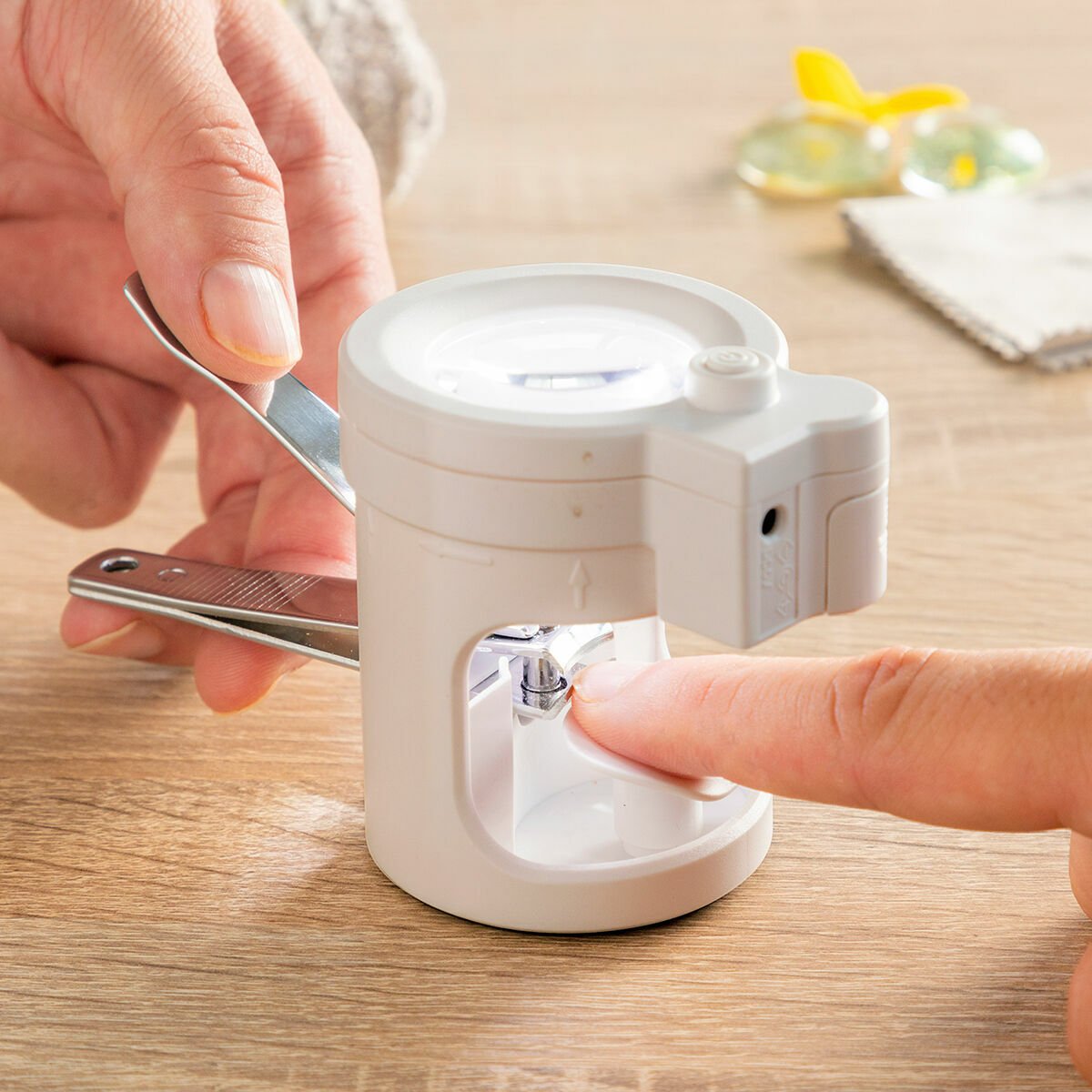
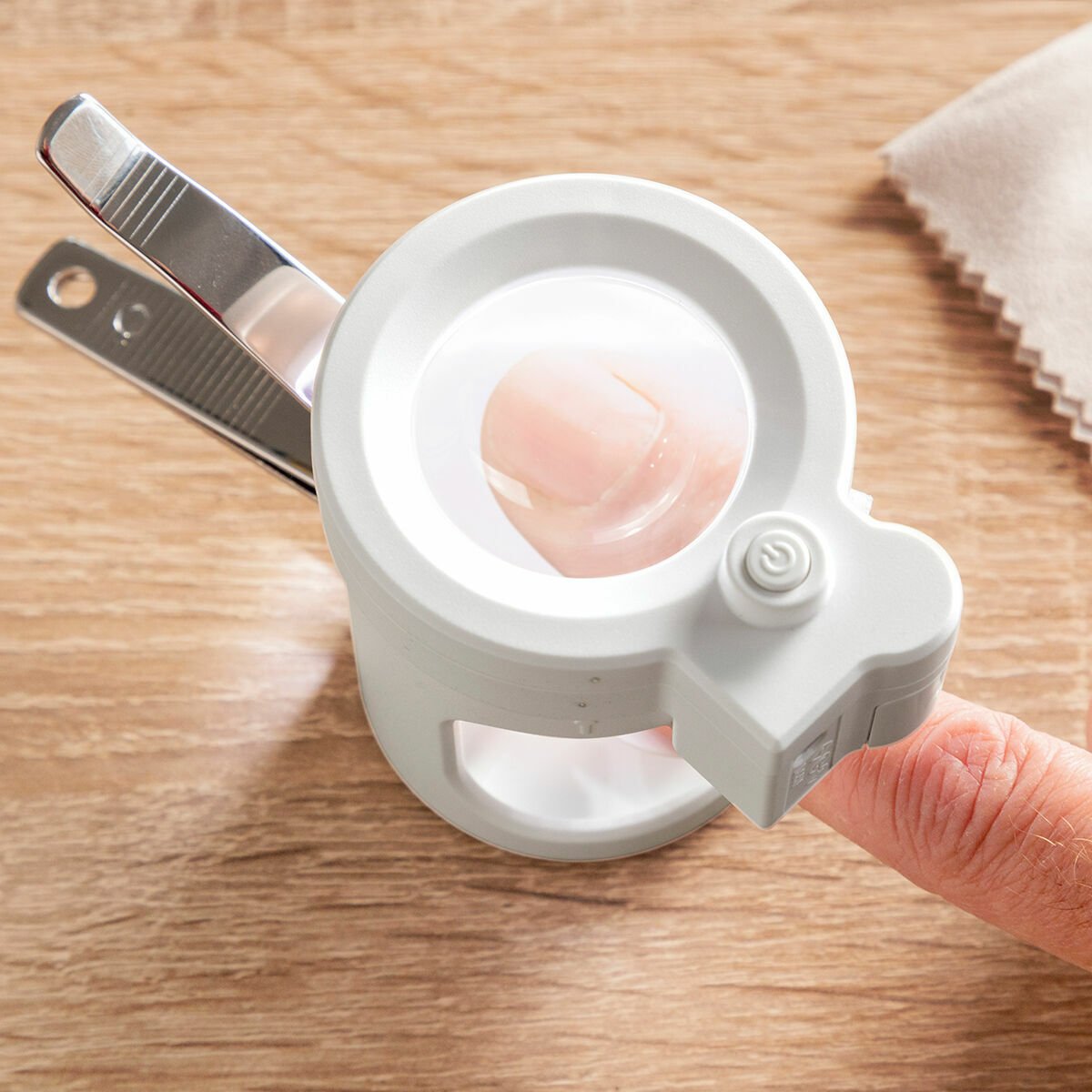
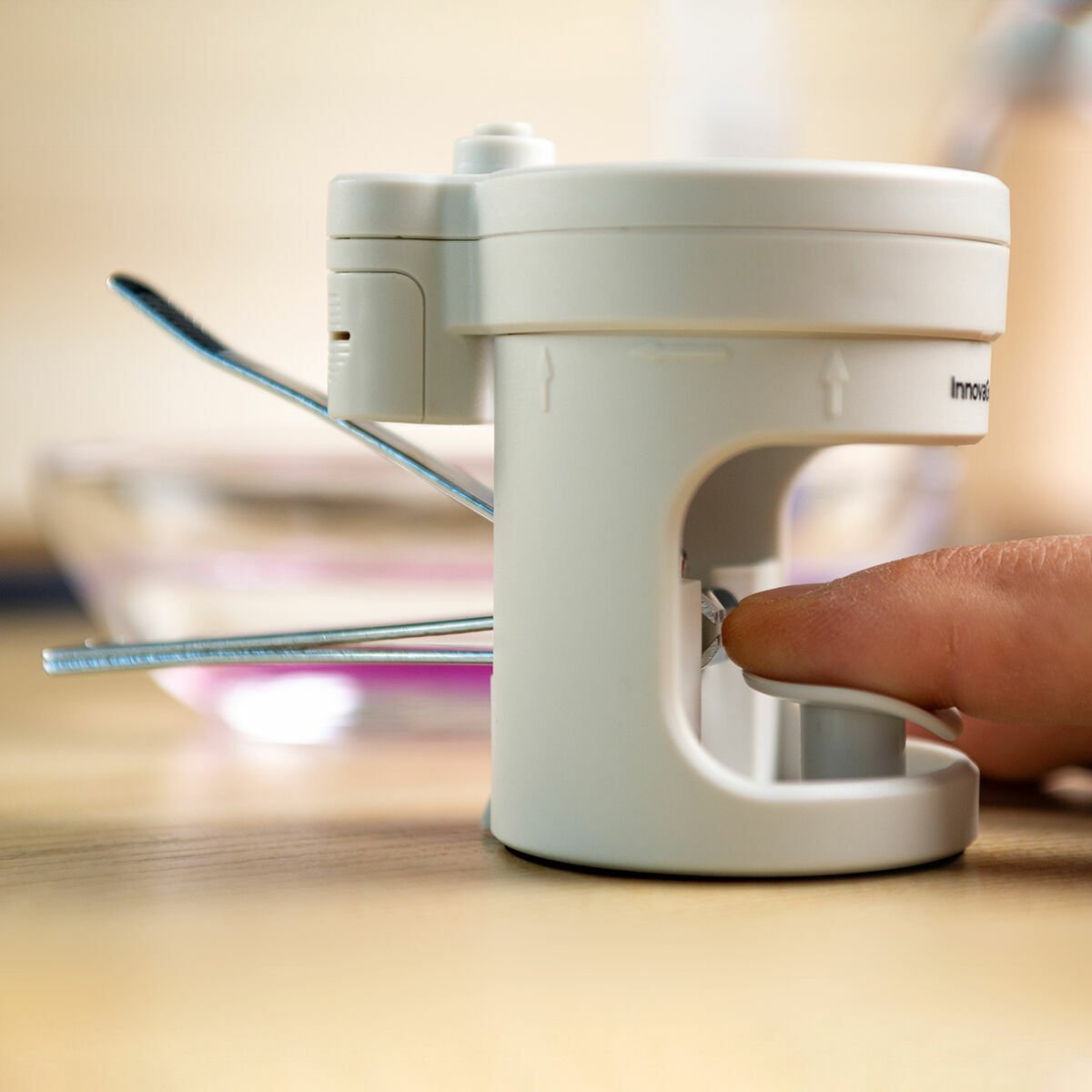
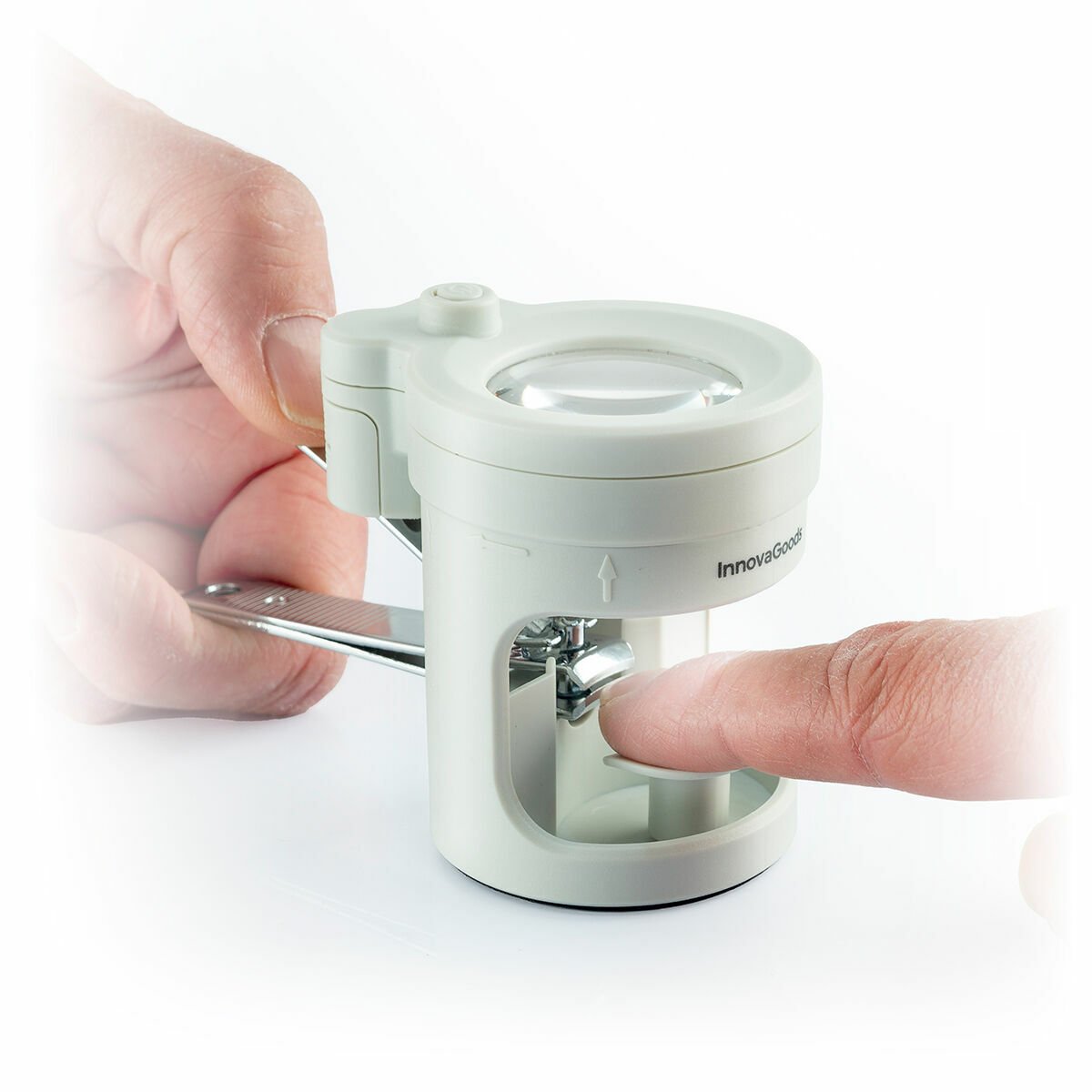
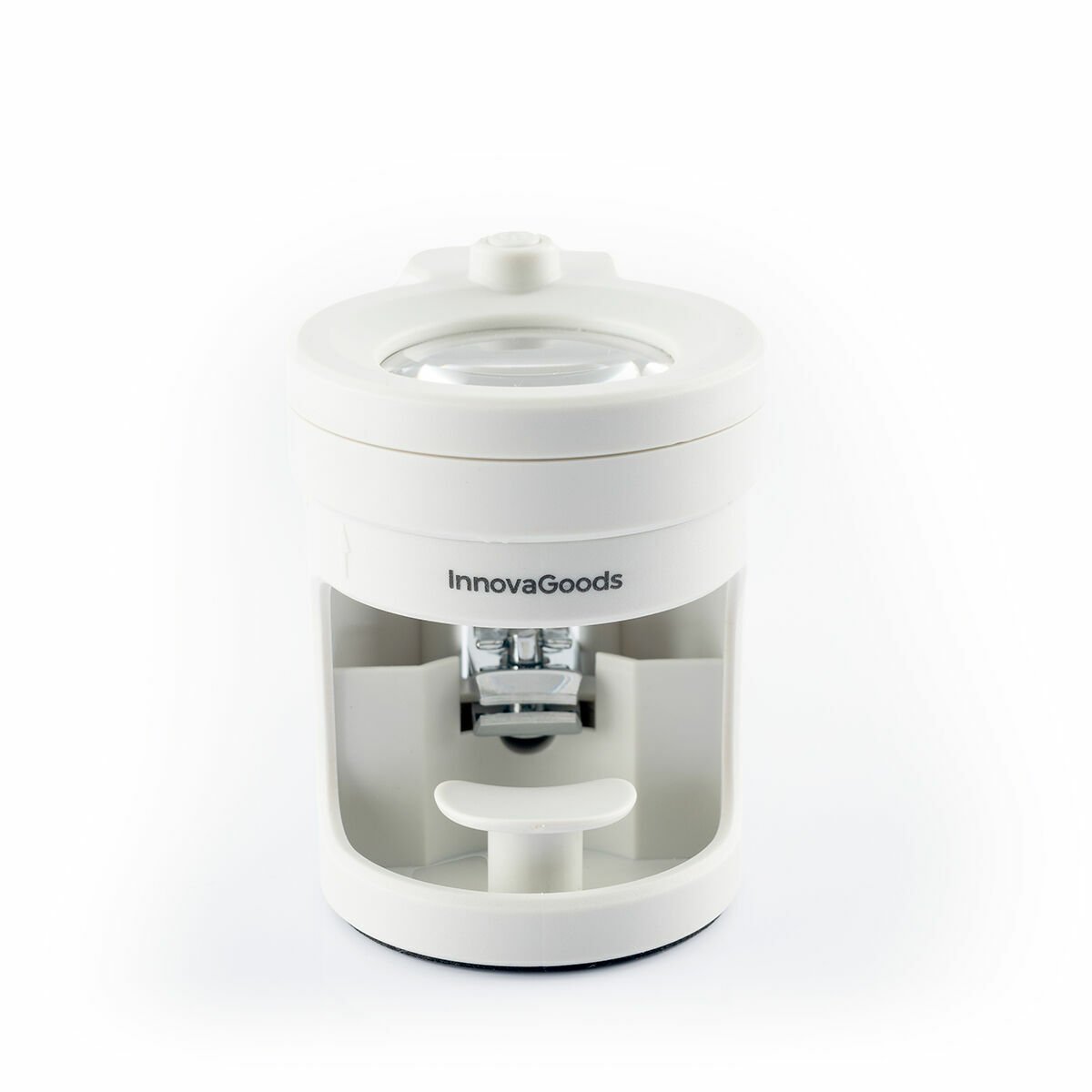
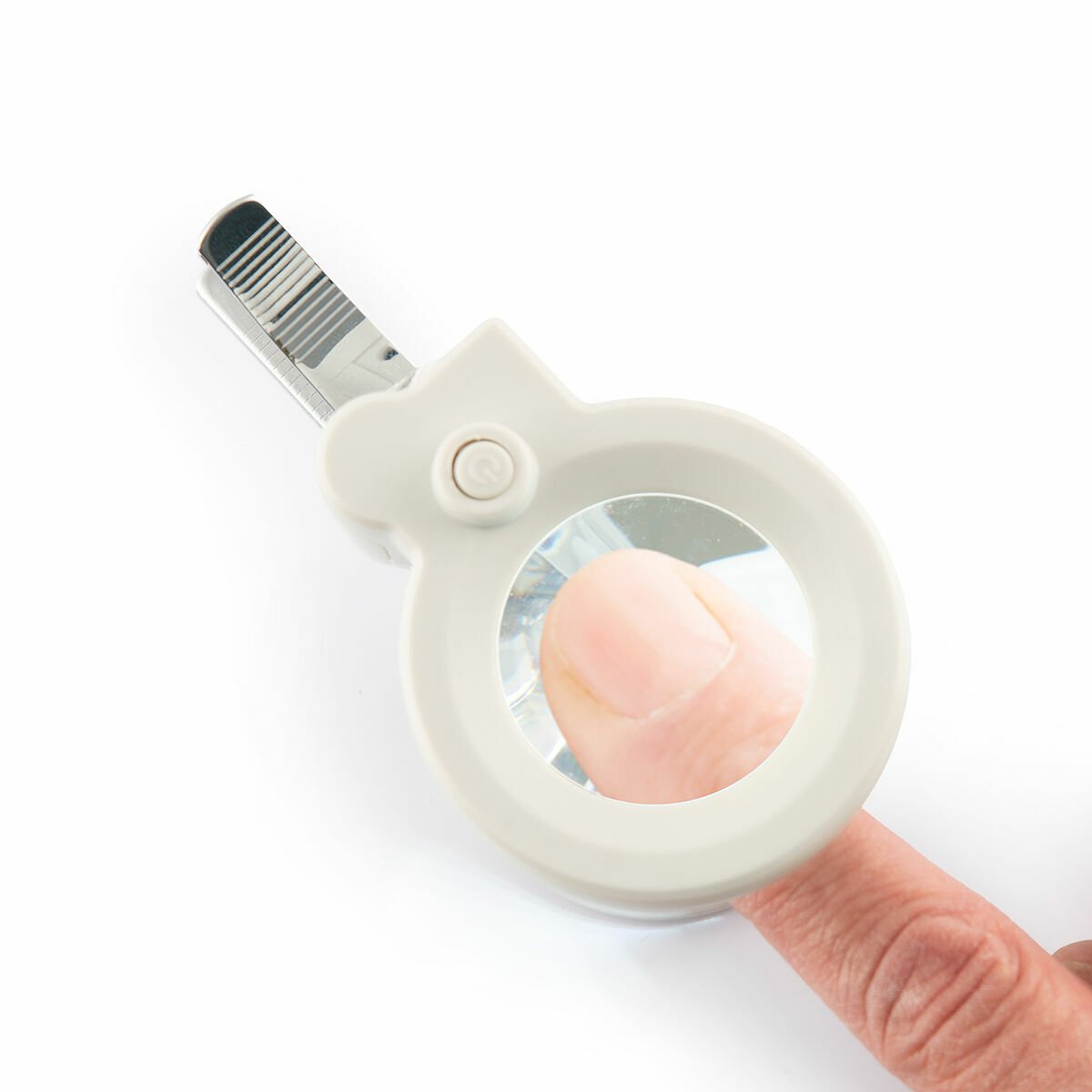
- Nail clippers or file specifically designed for artificial nails
- Acetone or gel remover
- Foil
- Cotton or cotton pads
Types of nail files and their uses
Nail files come in various textures and levels of abrasiveness. For artificial nails, it's recommended to initially use a coarse file to shorten their length. Then, a finer file can be used to smooth the edges and prepare the surface for the next step.
Acetone: characteristics and precautions
Acetone is a powerful solvent commonly used to remove artificial nails, especially acrylics. It's crucial to use it sparingly, as it can dry out natural nails. Work in a well-ventilated area and, if possible, wear gloves to avoid prolonged skin contact.
Aluminum foil and its function in removal
Aluminum foil is used in the soaking technique to keep the acetone-soaked cotton ball in contact with the nail. This allows the solvent to work effectively, making it easier to remove the adhesive from artificial nails without damaging the natural nail surface.
Pre-care with cuticle and natural nail oils
Before beginning the removal process, it's recommended to apply nourishing oils to the cuticles and nails. These oils will help maintain hydration in the area and prevent damage or dryness. Using oils like jojoba or almond oil is ideal for preparing the nails before removal.
Effective methods for removing artificial nails without damaging them
There are several techniques for removing artificial nails without compromising the health of natural nails. Below are descriptions of some of the most effective and widely used methods, each with its own approach.
Acetone soak with aluminum foil step by step
This method is one of the best-known and most effective for dissolving artificial nail adhesive. Using acetone allows you to loosen the nails properly without damaging your natural nails.
How to prepare and apply acetone correctly
To use acetone, you will need cotton balls and aluminum foil. Soak a cotton ball in acetone and place it on the nail. Then, wrap the nail with a piece of aluminum foil, making sure the cotton ball remains in contact with the nail surface.
Ideal soaking time and signs to remove the paper
The recommended soaking time is between 10 and 15 minutes. To know when it's time to remove the paper, you can look for signs such as the acrylic becoming softer or a visible separation between the natural nail and the artificial nail.
Using gel remover for artificial nails
The remover gel is an effective alternative that allows the adhesive to be dissolved more gently and quickly.
Application and exposure times
To apply gel remover, follow the product instructions. Generally, apply a generous layer to the nail and leave it on for 5 to 10 minutes before removing it.
Differences between gel and acetone
Gel remover is generally less harsh than acetone, which can be beneficial for those with sensitive nails. However, both techniques are effective, and the choice will depend on personal preference.
Homemade method with hot soapy water to loosen glue
This technique is very simple and uses products that are usually found at home. It consists of soaking your hands in hot soapy water to soften the glue.
It is important not to leave your nails in the water for too long to avoid any damage to the cuticle.
Tips to avoid damaging your natural nails during the process
- Do not force the removal of artificial nails. This can cause tearing of the natural nail.
- Be patient and allow the products to work properly.
- Moisturize your nails with natural oils after removal to restore their health.
Care and recommendations after removing artificial nails
Once artificial nails have been removed, it's essential to provide your natural nails with the necessary care to ensure their health and strength. This process helps restore the integrity of your nails and maintain their healthy appearance.
Hydration with natural oils for cuticles and nails
Proper hydration is essential for restoring nails after they've been covered with artificial ones. Using natural oils not only nourishes the nail but also cares for the cuticles, keeping the area healthy.
Cuticle oil: types and benefits
- Jojoba oil is light and promotes absorption, ideal for moisturizing cuticles.
- Sweet almond oil provides vitamin E, helping to soften nails and cuticles.
- Olive oil is excellent for strengthening nails due to its richness in fatty acids.
Daily routine to care for your natural nails
Applying oil to your cuticles and nails at least once a day can be very beneficial. Gently massaging them helps circulation, which promotes growth. It's also advisable to cleanse and exfoliate your nails weekly to remove impurities and dead skin cells.
Strengthening treatments and recommended products
Strengthening treatments can be a great help in ensuring that nails recover properly. With the right choice of products, it's possible to restore the hardness and strength of natural nails.
Nail hardeners to restore strength
There are specific formulas that help achieve stronger nails, preventing them from breaking easily. Nail hardeners can be applied as a varnish or as a treatment that is left on for several hours.
Sulfate-free cosmetics for sensitive nails
It's crucial to choose sulfate-free cosmetics, especially if your nails have become weak. These products are gentler and help maintain nail integrity without causing irritation.
Alignment and habits to keep your nails healthy
Proper nutrition plays a fundamental role in nail health. Including essential nutrients in your diet ensures that your nails remain strong and healthy.
A balanced, nutrient-rich diet
- Adequate protein intake, which is essential for the formation of nail tissue.
- Include B vitamins and biotin, which are important for growth and strengthening.
- Hydration is key; drinking enough water will help keep your nails and skin properly hydrated.
Precautions when removing artificial nails at home
It's essential to take certain precautions when removing artificial nails at home. A careful approach not only ensures the health of your natural nails but also prevents unwanted complications during the process.
Avoid common problems when removing artificial nails
When removing artificial nails, there are several practices that should be avoided to protect the integrity of the natural nails:
- Do not use sharp objects or force removal. This can cause tearing and long-term damage.
- Avoid abruptly removing artificial nails. Patience is key to preventing weakening of the natural nail.
- Do not use excessive amounts of acetone, as it can cause dryness and irritation of the nail and surrounding skin.
When is it advisable to see a professional?
Sometimes, it's wise to leave the removal to the experts. Visiting a salon is recommended in the following situations:
- If there is pain or discomfort during the removal process.
- If the false nails have adhered too firmly and do not loosen easily.
- When doubts arise about the correct technique for removal.
Signs of possible infections or problems with your natural nails
It is essential to be aware of certain symptoms that may indicate infections or problems with natural nails:
- Redness or swelling around the nail.
- Persistent pain or burning in the nail or surrounding skin.
- Changes in the color or texture of the original nail.
Monitoring these signs allows for timely intervention and prevents further complications. Maintaining healthy nails is a priority in any nail removal process.
Maintain the beauty and health of your natural nails after removal
Caring for your natural nails after removing artificial nails is essential. Adopting healthy habits and using appropriate products helps maintain the strength and appearance of your nails. Below, we detail various trends and tools that will help you achieve healthy and dazzling nails.
Manicure trends for natural nails in 2025
Seasonal colors and styles for natural nails
In 2025, nude and pastel shades continue to be a popular choice, offering a clean and sophisticated look. Colors like pale pink, soft lavender, and light blue are ideal for a fresh look. Subtle metallic tones are also on the rise, offering a touch of elegance without being over the top. It's also important to experiment with matte finishes for a modern and chic appearance.
Minimalist nail art to enhance your nails
Nail art trends are leaning towards a minimalist approach that highlights the natural beauty of nails. Simple designs, such as fine lines or strategic dots, are perfect for those seeking a subtle detail. This style is not only easy to maintain, but it also allows nails to look polished and sophisticated without any fuss.
Tools and products for at-home manicures
Importance of an LED lamp for manicure and pedicure
The LED lamp is a key tool for performing manicures and pedicures at home. This device not only speeds up the drying process but also ensures that nail polish adheres better, prolonging the durability of the finish. LED light is more efficient and less damaging than other types of dryers, which promotes healthy nails.
How to use a nail file to maintain the shape and avoid damaging them
To maintain the shape of your nails, it's essential to use a suitable file. Cardboard or glass files are recommended, as they are less abrasive and minimize the risk of chipping. When filing, follow one direction and avoid back-and-forth motions. It's important to take care of the edges, filing them gently to maintain a smooth surface and avoid damaging the natural nail.