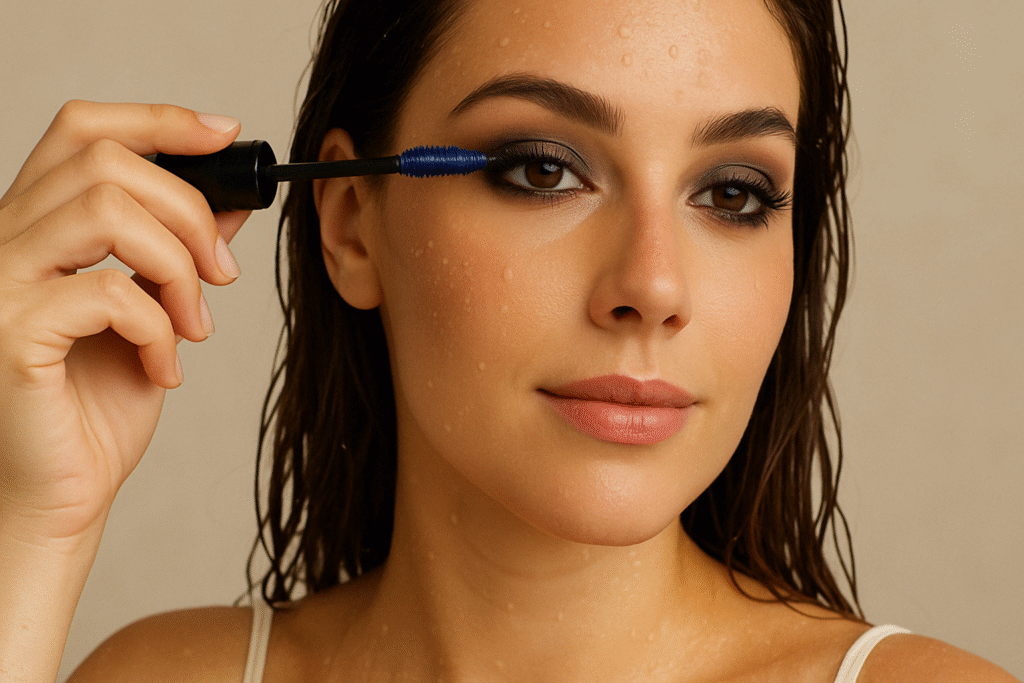
Cleaning your makeup brushes: Cleaning your makeup brushes is essential for flawless makeup. There are several methods and products to keep your tools in top condition. It's also important to take care of your makeup sponges and ensure they are properly dried and stored. Follow these tips to keep your skin healthy and your makeup perfect!
Importance of cleaning makeup brushes
Keeping your makeup brushes clean is essential for healthy skin and effective makeup. When brushes accumulate traces of previous products, they become a breeding ground for bacteria and dirt that can clog pores and cause skin irritation.
In addition, regularly cleaning your brushes helps prolong their lifespan and ensures they continue to apply makeup evenly and precisely. Proper maintenance of your makeup tools will allow you to enjoy a professional finish with every application, without the risk of contaminating your skin.
Homemade methods for cleaning your makeup brushes
Here are some homemade methods to effectively clean your makeup brushes:
Clean with soap and water
One of the simplest and cheapest methods to clean your brushes is to use soap and water:
- Gently rub the bristles of the brushes with soap and water, using an exfoliating glove or a towel.
- Rinse the brushes thoroughly to remove all traces of makeup and soap.
- Leave the brushes to dry horizontally to avoid damaging the bristles.
Use of specific products
If you prefer to use specialized products, you can also opt for cleaning sprays or liquids designed for makeup brushes:
- Apply the product directly onto the bristles of the brushes and gently rub them on a kitchen paper towel to remove excess makeup and dirt.
- Allow the brushes to dry completely before using them again.
Clean makeup brushes with micellar water
Another effective home method is to use micellar water to clean your brushes:
- Apply micellar water to a makeup remover pad and gently rub the bristles of the brushes to remove makeup residue.
- Rinse the brushes with warm water to remove any residue of micellar water.
- Allow the brushes to dry completely before storing them.
Recommended frequency for cleaning brushes and paintbrushes
Cleaning frequency
It's essential to establish a regular cleaning routine for your makeup brushes. It's recommended to wash your brushes at least once a week to ensure they are free of bacteria and makeup residue.
If you use cream or liquid products, it's advisable to clean your brushes after each use to prevent dirt buildup. Frequent cleaning ensures more hygienic makeup application and prolongs the life of your tools.
Makeup sponge care
Makeup sponges also require regular cleaning to maintain their effectiveness and prevent bacterial growth. Just like with brushes, it's recommended to clean sponges with soap and water after each use.
Make sure to rinse your sponges thoroughly to remove all traces of makeup and soap, and let them dry completely before using them again. Properly cleaning your sponges not only improves makeup application but also helps maintain healthy skin.
Proper drying and storage of brushes and paintbrushes
Drying and storing makeup brushes
After cleaning your makeup brushes, it's crucial to let them dry properly to ensure their durability and keep them bacteria-free. Here's how:
- Place the clean brushes horizontally on a clean, flat towel.
- Make sure the bristles of the brushes are fully stretched out so that they maintain their original shape.
- Avoid drying brushes in a vertical position, as water could seep into the base and damage the glue that holds the bristles together.
- Let the brushes air dry, preferably in a well-ventilated place and away from direct sunlight.
Drying makeup sponges
Makeup sponges also require a proper drying process to maintain their soft texture and prevent bacterial growth. Follow these tips:
- Gently squeeze out excess water from the sponge after cleaning it.
- Place the sponge on an absorbent towel and press lightly to remove any remaining moisture.
- Let the sponge air dry in a clean, dry place.
- Avoid storing the damp sponge in a closed container, as this encourages the proliferation of bacteria.
Final tips for keeping your makeup tools in top condition
- Dry your brushes and sponges completely before storing them to prevent mold or bacteria from forming.
- Use a case or organizer to keep your brushes separate and protected from external agents.
- Avoid storing your brushes in plastic bags, as this can encourage the growth of bacteria.
- Periodically check the condition of your brushes and paintbrushes to ensure they are not damaged or excessively worn.
- If your brushes start losing bristles or fraying, it's time to replace them to maintain the quality of your makeup.
- Keep your makeup tools in a cool, dry place to prolong their lifespan.