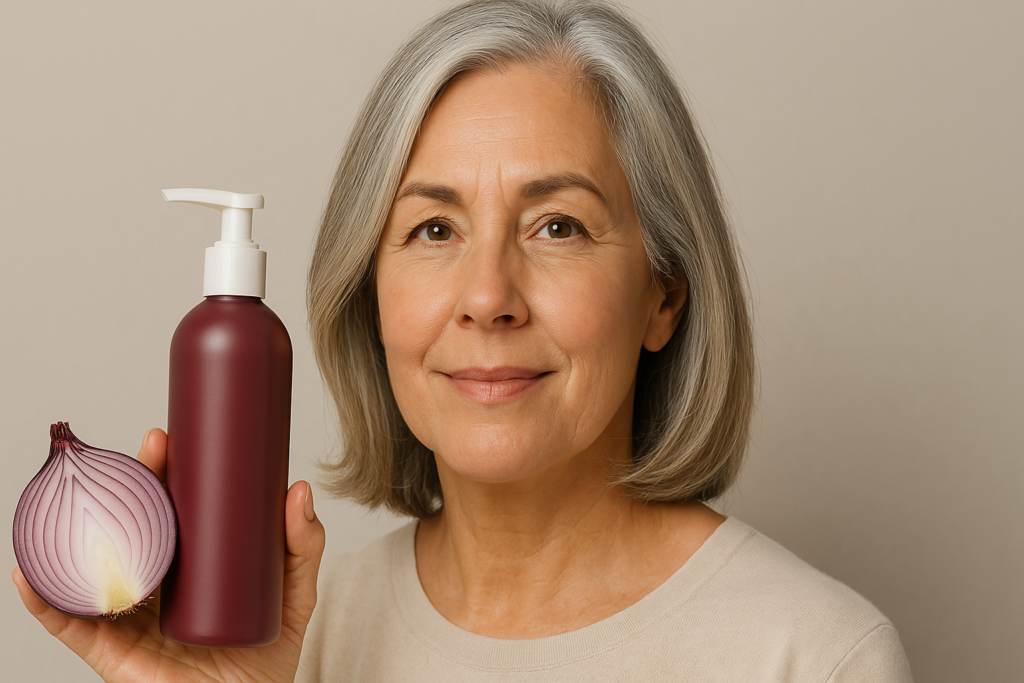
Seborrheic dermatitis is a chronic skin condition that affects the scalp and other areas of the body. It is characterized by scaling, redness, and itching , which can be uncomfortable for those who suffer from it.
Several factors contribute to its development, including hormonal imbalances and environmental conditions . Understanding this disease is key to its effective management and treatment.
Definition and Description of Seborrheic Dermatitis
Seborrheic dermatitis is a chronic skin condition that occurs in areas of the body with a high concentration of sebaceous glands. Understanding it is essential for managing its symptoms and its impact on quality of life.
Characteristics of Seborrheic Dermatitis
This condition is characterized by inflammation of the skin, which can cause a number of visible and bothersome symptoms. Key aspects of seborrheic dermatitis include:
- Presence of scales on the skin, which can be white to yellow in color.
- Swollen and reddened lesions in the affected areas.
- Itching and, sometimes, significant discomfort.
- Crust formation in advanced stages.
Areas of the Body Affected
While this condition is most common on the scalp, its appearance is not limited to this area. It can affect various areas of the body, such as:
- The face, especially around the nose, eyebrows, and ears.
- The chest, where scaly lesions sometimes appear.
- The upper back and other areas with a higher concentration of sebaceous glands.
Differences according to Skin Color
Seborrheic dermatitis can present with visible differences in its manifestation depending on skin color. In people with fair skin, the lesions tend to be redder, while in those with darker skin, the rashes may appear in darker or lighter shades. This variability in presentation is due to the interaction between inflammation and skin pigmentation, which can make diagnosis difficult in some cases.
Symptoms of Seborrheic Dermatitis
Seborrheic dermatitis presents a variety of symptoms that can significantly affect the well-being of those who suffer from it. These symptoms vary in severity and can result in physical and emotional discomfort.
Peeling and Scales
One of the most obvious symptoms of seborrheic dermatitis is flaking. This appears as scales that can be white or yellowish and tend to fall off or flake on the scalp. The flaking is not limited to the scalp but can spread to other affected areas, such as the face and trunk.
The intensity of this flaking can vary, being more pronounced during times of stress or environmental changes. In some cases, the accumulation of flakes can be so noticeable that it resembles dandruff, causing aesthetic discomfort for those who experience it.
Oily Areas on the Skin
Seborrheic dermatitis also causes certain areas of the affected skin to become oily. This is due to the overproduction of sebum in the sebaceous glands. The skin will take on a shiny, oily appearance, especially on the scalp and other areas such as the face, behind the ears, and around the nose.
This characteristic may be associated with the appearance of scales, since the accumulated fat can mix with dead skin cells, contributing to the formation of scabs.
Erythematous Lesions and Redness
Another distinctive symptom is erythematous lesions, which appear as patches of inflamed skin. These areas may show a characteristic redness that is sometimes observed in combination with scaling. This inflammation is the result of the immune system's response to the chronic irritation caused by seborrheic dermatitis.
Redness can be a sign of aggravated irritation and, in some cases, can spread to nearby areas, such as skin folds or areas behind the ears.
Itching and Irritation
Itching is a common symptom associated with seborrheic dermatitis. Patients often experience itching sensations that can range from mild to severe. This symptom can be exacerbated by stress or irritation, which in turn can lead to scratching that worsens the skin condition.
The resulting irritation can lead to a vicious cycle, which in turn intensifies the urge to scratch and perpetuates inflammation of the affected skin.
Crust Formation
In some cases, flakes on the scalp and other areas can clump together and harden, forming crusts. This can be uncomfortable and sometimes painful. Crusts often appear in areas where redness and inflammation are already present, and they may eventually flake off, leaving the affected area exposed.
It is important to note that crusting is not only visually unpleasant, but can also cause greater discomfort and a risk of secondary infections if scratched or manipulated excessively.
Risk Factors and Causes
Seborrheic dermatitis can be influenced by various risk factors and underlying causes that contribute to its onset and development. These may include the presence of certain biological agents, individual characteristics, and environmental conditions, making their understanding essential for effective management of the condition.
Malassezia yeast
Malassezia yeast is a fungus that is part of the normal skin flora in many people. However, under certain circumstances, its proliferation can become excessive, especially in oily skin. This overgrowth can cause irritation and trigger inflammation, leading to the appearance of symptoms associated with seborrheic dermatitis. The relationship between this yeast and the condition has been extensively studied, suggesting that its uncontrolled growth could disrupt the skin's balance, exacerbating the symptoms.
Excessive Tallow Production
High sebum production in the skin is another crucial factor in the development of seborrheic dermatitis. The sebaceous glands, which produce this natural oil, can become overactive for various reasons, including hormonal factors. This overproduction of sebum creates an environment conducive to the growth of Malassezia yeast, which in turn can lead to inflammation and flaking. This creates a cyclical relationship between sebum production and the worsening of symptoms.
Influence of Genetics and Hormones
Genetics plays a significant role in the predisposition to developing seborrheic dermatitis. The condition tends to be more common in those with a family history of the disease, suggesting a hereditary basis. Furthermore, hormonal fluctuations, especially during adolescence, the menstrual cycle, or other endocrine conditions, can influence the onset and severity of seborrheic dermatitis. These hormonal variations can impact the activity of the sebaceous glands, contributing to an increased risk of developing the condition.
External Environmental Factors
Environmental factors also play a significant role in exacerbating seborrheic dermatitis. Extreme weather conditions, such as dry, cold weather, can worsen symptoms, while heat and high humidity can promote the proliferation of pathogens. The use of alcohol-based or dehydrating products on the skin can also irritate it and contribute to the development of the condition. Therefore, identifying these environmental factors is key to the proper management of dermatitis.
Associated Medical Conditions
Certain medical conditions may be associated with an increased risk of seborrheic dermatitis. Neurological diseases such as Parkinson's, HIV/AIDS, obesity, and mental disorders, including depression, have been shown to correlate with skin inflammation. These conditions can alter the immune system or increase sebum production, facilitating the development of seborrheic dermatitis. Monitoring and treating these underlying diseases are essential components of a comprehensive approach to managing dermatitis.
Diagnosis of Seborrheic Dermatitis
The diagnosis of seborrheic dermatitis is based on a thorough evaluation of the symptoms and the appearance of the affected skin. It is essential that physicians use a clinical approach to correctly identify this skin condition.
Clinical Evaluation of Symptoms
Clinical evaluation is the first step in diagnosing seborrheic dermatitis. During a consultation, the dermatologist reviews the patient's medical history and performs a detailed physical examination of the scalp and affected areas. Some of the aspects considered include:
- Presence of scales on the scalp and other parts of the body.
- Color and texture of skin lesions.
- Geographical distribution of skin lesions.
- Associated symptoms, such as itching or redness.
- Impact on the patient's quality of life.
The physician's ability to recognize the typical characteristics of seborrheic dermatitis is crucial for an accurate diagnosis.
Additional Diagnostic Tests
In most cases, the diagnosis is made clinically without the need for further testing. However, there are circumstances in which additional tests may be ordered to rule out other similar conditions. Some of these tests may include:
- Skin biopsy: In atypical cases or when there are doubts, a biopsy can be performed to analyze skin cells and confirm the diagnosis.
- Laboratory tests: may be necessary to assess for the presence of infections or other underlying conditions that may mimic the symptoms of seborrheic dermatitis.
Diagnostic tests allow the doctor to get a clearer picture of the disease and adjust the treatment plan if necessary.
Differentiation from other Skin Conditions
An important aspect of diagnosing seborrheic dermatitis is differentiating it from other skin conditions that may present with similar symptoms. This is essential to avoid inappropriate treatments. Some conditions that should be considered include:
- Psoriasis: although it can cause scaling, it has distinct characteristics, such as thicker, silvery lesions.
- Contact dermatitis: occurs as a result of an allergic reaction to external substances and presents a different pattern of lesions.
- Atopic dermatitis: can be confused with seborrheic dermatitis, but typically affects specific areas and has a different course.
- Fungal infections: Some infections may present with scaling and redness that mimic seborrheic dermatitis, but require different treatment.
Dermatologists have specialized tools and knowledge to make this differentiation, thus ensuring that patients receive the appropriate and effective treatment.
Treatment Options
There are several treatment options for seborrheic dermatitis of the scalp. Treatments may vary depending on the severity of symptoms and the patient's response. The most common and effective options are detailed below.
Medicated Shampoos
Medicated shampoos are the first line of defense in the treatment of seborrheic dermatitis of the scalp. These products are specifically formulated to reduce inflammation and control the symptoms associated with this condition.
Effective Ingredients in Shampoos
- Salicylic acid: Helps eliminate scales and unclog hair follicles, promoting cell renewal.
- Coal tar: It has anti-inflammatory properties and reduces flaking, although its use may be less popular due to its smell and possible skin irritation.
- Ketoconazole: An antifungal that fights Malassezia yeast, associated with seborrheic dermatitis.
- Selenium sulfide: Helps reduce sebum production and control the proliferation of fungi on the scalp.
- Ciclopirox: An antifungal agent that reduces inflammation and itching.
Creams and Lotions
When symptoms appear in areas other than the scalp, such as the face or chest, creams and lotions can be effective. These formulations are designed to treat inflammation and irritation in the affected skin.
Use of Ketoconazole and Corticosteroids
- Ketoconazole: It is a topical treatment that can be found in the form of a cream or gel, effective in fighting fungal infection and reducing inflammation.
- Low-potency corticosteroids: These are prescribed to calm inflammation and reduce itching, although their use must be monitored to avoid side effects.
Phototherapy
Phototherapy involves the controlled exposure of the skin to ultraviolet light. This technique can be beneficial in more severe cases of seborrheic dermatitis. However, the treatment must be administered under the supervision of a specialist physician to minimize risks and optimize results.
General Skin Care
Maintaining proper hygiene and skin care is crucial for managing seborrheic dermatitis. This involves using products that do not irritate or dry out the skin.
Proper Hygiene and Hydration
- A careful approach to personal hygiene with neutral soaps is essential to avoid irritation.
- Keeping the skin well hydrated helps reduce flaking and improve the appearance of affected areas.
Avoid Triggers
Identifying and avoiding triggers can significantly contribute to the management of seborrheic dermatitis. This includes stress management, as well as avoiding irritating products or sudden changes in the environment.
Systemic and Natural Treatments
Seborrheic dermatitis is a condition that may require more intensive approaches in certain cases. Systemic and natural treatments are considered valuable options that, while not first-line, can provide significant relief to those suffering from more severe symptoms.
Oral Antibiotics and Antifungals
In situations where topical therapies fail to adequately control seborrheic dermatitis, systemic treatments may be considered. These include oral antibiotics and antifungals, which help fight secondary infections and control yeast overgrowth on the skin.
- Antibiotics: Oral antibiotics can be helpful if a bacterial infection is present or if there is significant inflammation that does not respond to other treatments. Their use should be supervised by a doctor, as their effect is temporary and constant monitoring is necessary.
- Oral Antifungals: In some cases, oral antifungals, such as fluconazole or itraconazole, can be effective in reducing Malassezia yeast in the body. These treatments can help decrease flare-ups of seborrheic dermatitis and improve overall skin quality.
Natural Products and Their Precautions
For some patients, natural products represent a valid alternative that can complement medical treatments. However, it is important to use them with caution and under the guidance of a healthcare professional to avoid adverse reactions or worsening of symptoms.
Use of Essential Oils
Essential oils are a popular choice in natural treatments. Certain oils have been shown to possess anti-inflammatory and antifungal properties. These include:
- Tea tree oil: Known for its antimicrobial properties, it can be helpful in reducing inflammation and controlling yeast on the scalp.
- Jojoba oil: This oil acts as a moisturizer and can help balance sebum production, relieving dryness and irritation.
- Lavender oil: It has calming properties and can be helpful in reducing the itching associated with seborrheic dermatitis.
It is essential to dilute essential oils before applying them to the skin, as they can cause irritation if used undiluted. Individuals should perform a patch test to check skin tolerance before more extensive use.
Psychological Impact of Seborrheic Dermatitis
Seborrheic dermatitis doesn't just affect the skin. Its visible and bothersome symptoms can have a considerable psychological impact on those who suffer from it.
Effects on Self-Esteem
The symptoms of this skin condition, such as flaking and redness, can affect a person's self-perception. The visible presence of scales and redness on the scalp can lead to decreased self-esteem. This situation can be especially difficult in social or work settings, where appearance plays a significant role.
Fear of being judged or receiving negative feedback can result in social avoidance behavior. This can manifest itself in:
- Avoid situations that involve contact with other people.
- Wear hats or scarves to hide the condition.
- Feeling less attractive or desirable.
These factors can create a cycle of insecurity that further aggravates the negative perception the person has of themselves, perpetuating the struggle against seborrheic dermatitis.
Anxiety and Associated Depression
Seborrheic dermatitis is also linked to the development of anxiety and depression. The constant physical discomfort, accompanied by itching and inflammation, can contribute to the development of more serious emotional symptoms. The frustration and stress caused by flare-ups can intensify feelings of hopelessness and sadness.
It is important to consider that the interrelationship between mental and physical health is complex. Emotional manifestations may include:
- Increased irritability.
- Trouble concentrating.
- Difficulty sleeping, due to discomfort and itching.
Some patients may experience episodes of anxiety due to the uncertainty of when and how symptoms will appear, which can significantly interfere with their daily lives.
Comprehensive Psychological Care
Given the psychological impact of seborrheic dermatitis, it is vital to adopt a comprehensive approach that addresses both the physical and emotional aspects of the disease. Psychological intervention can be fundamental in improving patients' quality of life. Treatment options may include:
- Individual psychotherapy, which helps to work through feelings of low self-esteem and anxiety.
- Stress management techniques, which can be useful for dealing with outbreaks and challenging situations.
- Support groups where patients can share experiences and find comfort in the empathy of others facing similar circumstances.
A multidisciplinary approach can ensure that all aspects of seborrheic dermatitis are addressed, providing patients with the necessary tools to live with this condition more effectively and with less impact on their mental health.
The prognosis for seborrheic dermatitis is chronic, with symptoms that can fluctuate over time. The quality of life of those who suffer from it can be compromised, but with the right approach, it is possible to manage the condition effectively.
Prognosis and Quality of Life
Chronic Course of the Disease
Seborrheic dermatitis typically follows a chronic course, meaning it can persist for years and experience periods of remission and exacerbation. Although it is not contagious or serious, the persistence of its symptoms can significantly impact patients' daily lives.
Over time, some individuals may notice a significant improvement in their symptoms, while others may face prolonged treatment and a commitment to managing the condition. This can vary widely among people, influenced by genetic, environmental, and lifestyle factors.
Factors That Can Improve Symptoms
Several factors can contribute to the improvement of seborrheic dermatitis symptoms. These include:
- Sun exposure: Sunlight can help in many cases to reduce inflammation and peeling.
- Climatic conditions: Warm and humid climates tend to be more favorable for patients, while cold months can aggravate the signs.
- Proper hygiene: Keeping the scalp clean and using mild products can reduce irritation and flaking.
- Stress management: Effective stress management can help reduce flare-ups and discomfort associated with the disease.
It is essential to follow up with professionals to adjust treatments and assess any changes in the skin's condition.
Strategies for Long-Term Management
A sustainable approach to managing seborrheic dermatitis includes a number of strategies that can be implemented over time. Some of these are:
- Maintain a regular treatment regimen: This may include the use of medicated shampoos, creams, and prescribed lotions that help control symptoms.
- Avoid irritating products: Products containing alcohol or strong fragrances can exacerbate symptoms and should therefore be avoided.
- Self-monitoring: Keeping a record of episodes and possible triggers can be helpful in managing the condition and adjusting treatment as needed.
- Ongoing consultation with a dermatologist: Regular check-ups allow for adjustments to treatment strategies and addressing any new concerns or changes.
Combining these methods can improve the quality of life for those facing this condition, allowing for better symptom management and minimizing its impact on daily life.