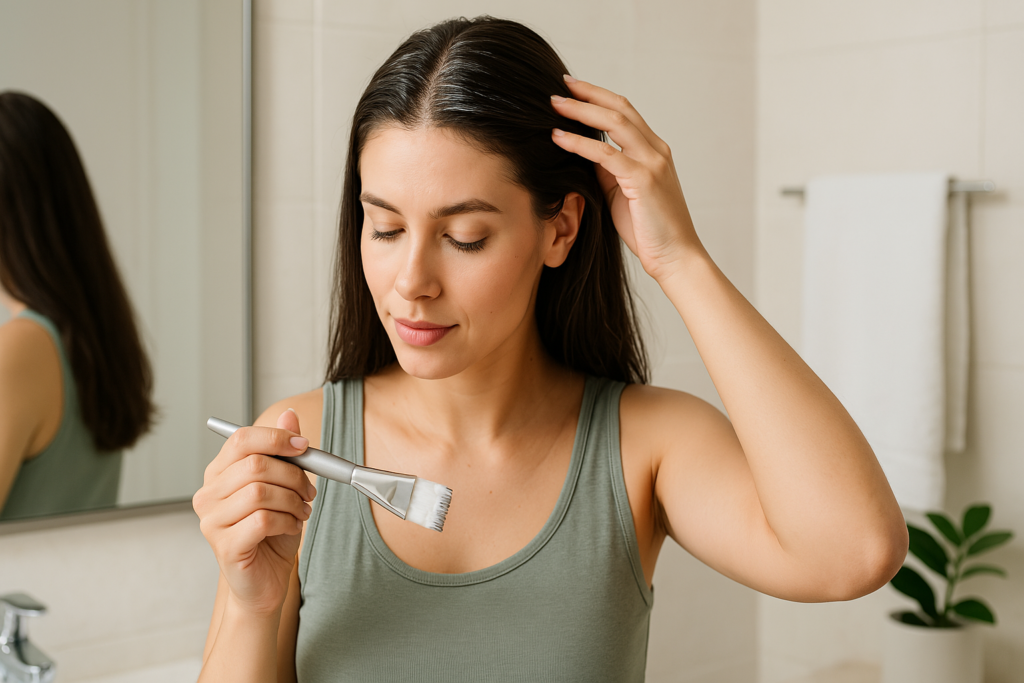
Hydrating hair masks are products designed to nourish, repair, and protect hair . They offer benefits such as deep conditioning, damage repair, and intensive hydration . Different types exist depending on their formulation, such as masks with natural oils, nourishing ingredients, or strengthening agents. They are recommended for dry, damaged, or curly hair, and can also be made at home. Choosing the right mask and applying it correctly are key to achieving optimal results .
What are moisturizing hair masks?
Hydrating hair masks are products specifically formulated to nourish, repair, and protect hair. These masks offer benefits such as deep hair nourishment, damage repair, and intensive hydration, contributing to improved hair health and appearance.
Benefits of using moisturizing hair masks
Hydrating hair masks offer a wide range of benefits for your hair, thanks to their specialized formulation and nourishing ingredients. Below are the main benefits of using hydrating hair masks in your hair care routine:
Face masks with natural oils
- They provide deep nutrition
- They help repair split ends
- They revitalize dry, lifeless hair
Face masks with nourishing ingredients
- They strengthen the hair fiber from within
- They improve the texture and softness of the hair
- They add shine and vitality to the hair
Strengthening face masks
- They help prevent hair breakage
- They protect against harmful external agents
- They restore the scalp's natural moisture
Types of moisturizing hair masks according to their formulation
Face masks with natural oils
Hair masks with natural oils are ideal for hair that needs hydration and nourishment. Oils like argan, coconut, jojoba, or almond penetrate the hair fiber, providing softness and shine. These masks are recommended for dry and damaged hair.
Face masks with nourishing ingredients
Hair masks with nourishing ingredients are formulated with active ingredients that strengthen hair from root to tip. Components such as keratin, biotin, panthenol, and collagen help restore hair health, preventing dryness and breakage. They are perfect for lifeless, dull hair.
Strengthening face masks
Strengthening hair masks are specially designed for weakened and breakage-prone hair. Their formula, rich in proteins and amino acids, rebuilds the hair fiber, strengthening the hair structure and preventing hair loss. These masks are recommended for hair damaged by chemical or heat treatments.
Hydrating hair masks for very dry and damaged hair
- Hair masks for very dry and damaged hair are formulated with ultra-hydrating and repairing ingredients that help restore the health and vitality of the hair.
- These masks contain concentrated formulas that penetrate the hair fiber to provide deep hydration and repair damage caused by excessive dryness and lack of nutrition.
- They are usually enriched with natural oils such as argan oil, coconut oil or shea butter, which provide nutrition, softness and shine to the hair, leaving it more manageable and healthy.
- In addition, these masks often contain repairing ingredients such as keratin, biotin or collagen, which help to rebuild the hair structure, strengthening and protecting the hair from future damage.
Hydrating masks for curly hair
- Hair masks for curly hair are specially formulated to provide nourishment and definition to curls.
- They contain moisturizing ingredients that help fight frizz and maintain hydration in the hair fiber.
- Some masks for curly hair also include softening agents that make styling easier and add softness to the curls.
- It is important to choose a specific hair mask for curly hair that suits the needs of this type of hair.
Homemade moisturizing hair masks
- An economical and effective option for caring for your hair is to prepare homemade moisturizing masks using natural ingredients that you may have in your kitchen.
- A popular homemade hair mask for hydration involves mixing ripe avocado, olive oil, and honey. These ingredients deeply nourish the hair, leaving it soft and shiny.
- Another effective homemade recipe combines plain yogurt, egg, and coconut oil. This mixture helps repair hair damage and strengthens the hair shaft from the root.
- Regular use of homemade moisturizing masks can complement your hair care routine, offering natural benefits and free from harsh chemicals.
How to choose the best moisturizing hair mask for your hair type
- Identify your hair's specific needs: dry, damaged, curly, colored, etc.
- Consult with professionals to receive personalized recommendations.
- Read the labels of face masks carefully to learn about their ingredients and benefits.
- Choose a hair mask with ingredients that suit your hair's needs.
- Consider your scalp type when selecting a hair mask.
- Observe the texture of the mask: creamy, gel, cream, etc.
- Choose quality products that are appropriate for your hair type.
How to properly apply a moisturizing hair mask
- Before applying the mask, wash your hair with shampoo to remove residue from previous products and open the cuticles.
- With damp hair, apply the mask from mid-lengths to ends, avoiding the roots to prevent making the scalp oily.
- Gently massage to ensure the mask is evenly distributed throughout your hair.
- Leave on for the time recommended by the manufacturer to allow the ingredients to penetrate the hair fiber and take effect.
- Rinse thoroughly with warm water to completely remove the product and close the hair cuticles.
- For extra hydration, you can wrap your hair in a warm towel for a few minutes while the mask works.
- Use the moisturizing mask once or twice a week, depending on your hair's needs and condition.
How often should you use moisturizing hair masks?
- For dry and damaged hair, it is recommended to use a moisturizing mask at least once a week.
- In the case of extremely dry hair or hair with a lot of exposure to heat or chemicals, it is possible to apply the mask twice a week.
- For curly hair, the moisturizing mask can be used between one and two times a week, depending on the level of dryness and frizz.
- It is important not to overuse hair masks, as an excess of products can saturate the hair and create an effect contrary to the desired one.
Common mistakes when using moisturizing hair masks
- Not leaving the mask on long enough. It's important to follow the product instructions to allow its ingredients to work deeply.
- Apply the mask to all of your hair, including the roots. This can make your scalp oily, so it's best to avoid those areas.
- Using an excessive amount of hair mask. More isn't always better, as applying too much product can leave hair heavy and flat.
- Not rinsing the mask properly. It is essential to completely remove the product with lukewarm water to avoid residue that can weigh down the hair.
- Apply the mask to dirty hair. It is essential to wash your hair with shampoo beforehand to remove dirt and allow the mask to penetrate properly.
Additional tips for hair care with moisturizing masks
- Apply the mask to damp, clean hair for better absorption of nutrients.
- Use a wide-tooth comb to evenly distribute the mask from roots to ends.
- Wrap your hair in a warm towel or shower cap to enhance the effects of the mask.
- Leave the product on for the time recommended on the packaging to obtain optimal results.
- Rinse thoroughly with warm water to completely remove the mask without leaving any residue.
- Avoid applying the mask excessively to prevent overloading the hair and to keep it light and shiny.