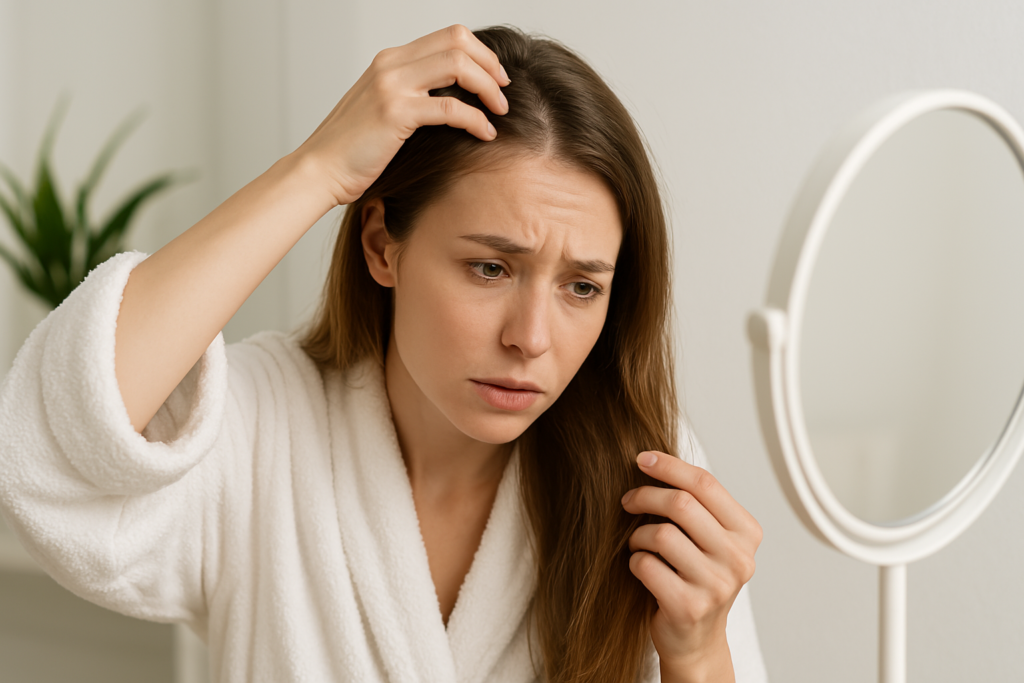
Hair loss care for women: Hair loss in women can be caused by factors such as genetics, nutrition, and stress. Maintaining a balanced diet and proper hair care are essential. In more severe cases, treatments and solutions such as hair supplements and hair transplants are available.
Factors that cause hair loss in women
Genetic and hormonal factors
Hair loss in women can be influenced by genetic and hormonal factors. A genetic predisposition to baldness can be inherited from either the mother or father, affecting the hair growth cycle. On the other hand, hormonal imbalances, such as an excess of the hormone dihydrotestosterone, can weaken hair follicles and lead to hair loss.
Nutritional deficiencies and their impact on hair
Nutritional deficiencies, especially of iron, zinc, biotin, and B vitamins, can affect hair health and contribute to hair loss. An unbalanced diet or restrictive diets can lead to deficiencies in these essential nutrients for hair growth, weakening the follicles and promoting hair loss.
Stress and its relationship with hair loss
Chronic stress can trigger hair loss in women. Increased levels of cortisol, the stress hormone, can interfere with the hair growth cycle, leading to miniaturization of hair follicles and a loss of hair density. Stress management plays a key role in preventing hair loss.
Preventive care to avoid hair loss
Importance of a balanced diet in hair growth
A balanced diet rich in iron, vitamins, and protein is essential for promoting healthy hair growth. Including foods like spinach, lentils, nuts, and fish in your daily diet can help strengthen hair and prevent hair loss.
Proper hair care to maintain its health
To maintain healthy hair and prevent hair loss, it's important to avoid excessive use of heat styling tools like hair dryers, brush gently, and use mild products suitable for your hair type. Additionally, massaging your scalp with oil is recommended to stimulate blood circulation and promote hair growth.
Stress management as a preventive measure
Stress can trigger hair loss, so finding strategies to manage it can be key to preventing this problem. Practicing relaxation techniques like meditation or yoga, as well as exercising regularly, can help reduce stress and maintain healthy hair.
Treatments and solutions for hair loss
There are several treatment options to combat hair loss in women and promote healthy hair growth. Some effective strategies are detailed below:
Hair supplements and fortifying shampoos
- Hair supplements rich in biotin and other nutrients can help strengthen hair from the inside out.
- Fortifying shampoos formulated with ingredients such as keratin and vitamins can improve scalp health and promote hair growth.
- It is important to choose quality products and follow the instructions for use to obtain the best results.
Specific treatments for different types of hair loss
- Depending on the underlying cause of hair loss, there are specific treatments that may be more effective.
- For cases of seasonal hair loss, restorative treatments that stimulate hair growth can be used.
- In situations of hormonal decline, hormonal treatments can be used to balance levels and prevent hair loss.
More advanced options such as hair transplantation
- In severe cases of hair loss, hair transplantation is an advanced option that can provide long-lasting and natural-looking results.
- This procedure involves transferring hair follicles from donor areas to areas with hair loss, allowing new hair to grow permanently.
- Before opting for a hair transplant, it is essential to consult with a specialist to assess the suitability of the treatment and understand the possible implications.