
Choosing the right moisturizer for acne-prone skin is essential for maintaining the skin's balance and health. Proper hydration can help combat breakouts and improve the skin's overall appearance.
In this comprehensive guide, we'll explore the different types of moisturizers, their recommended ingredients, and how to select the right one for your skin type. Choosing the right moisturizer for acne-prone skin can make a big difference in your skincare routine.
Types of moisturizers for acne-prone skin
Choosing the moisturizer for acne-prone skin is essential for maintaining optimal skin balance. Different formulations can be beneficial, depending on individual skin characteristics. Below are the main types of moisturizers recommended for those with acne.
Moisturizing gels: characteristics and benefits
Hydrating gels are an ideal option for oily and acne-prone skin. Their lightweight texture allows for rapid absorption, providing a refreshing sensation without leaving a greasy residue. These products often contain ingredients like hyaluronic acid, which helps retain moisture in the skin without clogging pores. Furthermore, their minimalist formulation generally avoids comedogenic ingredients, making them a safe choice for those struggling with acne.
Emulsions for combination skin with acne
Emulsions combine the properties of creams and gels, offering a perfect balance for combination skin. This type of moisturizer provides the necessary hydration without leaving a heavy feeling. Its formula allows you to treat drier areas without overwhelming oily areas, which is beneficial for those with different skin types on their face. Emulsions are a versatile option that adapts well to the needs of those who suffer from acne.
Creams with hyaluronic acid for acne-prone skin
Hyaluronic acid is a powerful ally in skin hydration. Moisturizing creams with hyaluronic acid for acne-prone skin help keep skin well-hydrated, even during acne treatments that can cause dryness. This ingredient not only attracts and retains moisture but also improves skin elasticity. Using these types of creams can help minimize the appearance of acne scars and leave skin looking healthier.
Formulas with calming ingredients
Acne-prone skin can greatly benefit from creams containing soothing ingredients. These components help reduce inflammation, redness, and irritation. Some ingredients to consider are:
- Aloe vera: With anti-inflammatory and moisturizing properties.
- Chamomile: Known for its ability to soothe irritated skin.
- Calendula: Helps heal and regenerate the skin.
- Green tea extract: Rich in antioxidants and anti-inflammatories.
Incorporating moisturizers with these ingredients can help improve the skin's response to acne breakouts, providing additional relief and improving its overall appearance.
Recommended ingredients in moisturizers for acne-prone skin
Choosing the right ingredients in a moisturizer for acne-prone skin is crucial for maintaining the skin's balance and health. When looking for a moisturizer for acne-prone skin, it's important to prioritize those components that help soothe, hydrate, and improve the skin's appearance without causing further breakouts. Below are some of the most recommended ingredients:
- Hyaluronic Acid: This powerful humectant has the ability to attract and retain water in the skin. Its use in moisturizers is especially beneficial, as it helps maintain hydration and combat the dryness that some acne treatments can cause.
- Aloe Vera: Known for its soothing and anti-inflammatory properties, aloe vera is an ideal ingredient for acne-prone skin. It helps reduce redness and inflammation, promoting more balanced skin.
- Niacinamide: Also known as vitamin B3, niacinamide has multiple benefits, such as improving skin texture and regulating sebum production. Its inclusion in moisturizers can help control acne and increase skin radiance.
- Chamomile extract: This ingredient is renowned for its antibacterial and anti-inflammatory properties. Its use in moisturizers can soothe irritated skin and reduce breakouts.
- Glycerin: A natural humectant that helps maintain hydration. Glycerin attracts moisture to the skin and prevents it from evaporating, making it especially useful for acne-prone skin.
- Calendula: Known for its healing and anti-inflammatory effects, calendula can help heal skin imperfections while providing adequate hydration.
The combination of these ingredients in a moisturizer for acne-prone skin can be fundamental to improving the skin's health and appearance. Choosing products containing these substances can optimize acne treatment while ensuring adequate hydration, crucial for all skin types, even those that tend to be oily or combination.
Ingredients to avoid in creams for acne-prone skin
Acne is a condition that requires special attention when choosing skincare products, including moisturizers. An inappropriate selection of ingredients can not only fail to help treat acne but may even cause further breakouts. The following are ingredients that are best avoided in moisturizers for acne-prone skin:
- Comedogenic oils: These oils, such as coconut oil and mineral oil, are known to clog pores and can worsen acne. Choosing a moisturizer for acne-prone skin that is free of these oils will help keep your skin clearer and less prone to breakouts.
- Artificial fragrances: Fragrances can often irritate sensitive skin and trigger allergic reactions, which can lead to acne breakouts. Fragrance-free moisturizers are the best option to avoid these problems.
- Alcohol: While alcohol might seem like a good ingredient for combating oily skin, its drying effect can lead to long-term dehydration. This can result in even more oil production and, consequently, more acne. It's best to choose formulas that avoid this ingredient.
- Silicones: Although they provide a smooth and silky texture, silicones can create a barrier on the skin that traps dirt and sebum, promoting breakouts. It is advisable to avoid moisturizers that contain silicones in their formula.
- Propylene glycol: This ingredient, used as a humectant, can cause irritation in some people with acne-prone skin. Given its potentially irritating nature, it's best to avoid it in any moisturizer for acne-prone skin.
Choosing the right moisturizer is essential for maintaining balanced skin and preventing unnecessary breakouts. It's crucial to carefully read product labels and opt for options containing ingredients that promote hydration without compromising skin health. By avoiding these ingredients, you can significantly improve the overall condition of acne-prone skin and promote a healthier appearance.
How to choose the right moisturizer for acne-prone skin
Choosing the moisturizer for acne-prone skin is essential for maintaining balanced, healthy skin. Hydration, though often underestimated, plays a crucial role in acne treatment, as dehydrated skin can exacerbate the condition. Below are some key guidelines to help you make this choice.
Importance of non-comedogenic formulation
One of the most important characteristics of moisturizers for acne-prone skin is that they are non-comedogenic. This means they shouldn't clog pores, which can lead to further acne breakouts. When choosing a product, it's essential to check the labels and look for those specifically labeled as non-comedogenic. This will ensure that the moisturizer doesn't contribute to the development of impurities on the skin, allowing acne treatments to be more effective.
Adjust hydration according to the type of acne
The type of acne you have can significantly influence your choice of moisturizer. For example, skin with inflammatory acne may benefit from formulas that incorporate soothing and anti-inflammatory ingredients, such as aloe vera or chamomile, which help reduce irritation. In contrast, people with drier acne may consider creams containing hyaluronic acid to provide deep hydration without triggering breakouts. Tailoring your moisturizer to the specific needs of each skin type will ensure more balanced skin that is less prone to adverse reactions.
Considerations for sensitive skin with acne
Sensitive skin requires special attention, especially when combined with acne. It's advisable to choose gentle moisturizers, avoiding those containing fragrances, alcohol, or irritating ingredients that could cause adverse reactions. Prioritize products specifically formulated for sensitive skin, which include hydrating and repairing ingredients. This will not only help alleviate acne but also protect and promote long-term skin health.
Proper application of moisturizer on acne-prone skin
The correct application of a moisturizer for acne-prone skin is essential to maximize its benefits and minimize the risk of irritation. A careful approach not only helps maintain balanced skin but also promotes optimal absorption of the active ingredients, thus contributing to an improved overall skin appearance. The following details the proper application techniques and recommendations regarding the amount and frequency of use.
Application technique to avoid irritation
The application technique for moisturizer plays a crucial role in the health of acne-prone skin. To begin, it's vital that the skin is clean and dry before applying any product. It's recommended to use gentle, upward motions, avoiding rubbing or pulling at the skin. This helps prevent further irritation. You can use your fingertips to distribute the cream evenly, applying it with light tapping motions rather than dragging the product across the skin.
Furthermore, it's advisable to use small amounts and apply the moisturizer to specific areas first, allowing it to absorb before spreading it all over the face. This method minimizes the risk of overloading the skin with product, which could have the opposite effect of what's desired. For those using topical acne treatments, it's recommended to apply the moisturizer after these treatments have completely dried to ensure better integration of the products.
Recommended quantity and frequency
The right amount of moisturizer for acne-prone skin varies depending on the product, but generally, a small amount, about the size of a coin, is recommended. The key is to apply enough to cover the entire surface of the skin without overdoing it. As for frequency, ideally, the cream should be applied twice a day, once in the morning and once at night, to maintain optimal hydration and aid in skin recovery.
However, it's important to observe how your skin reacts. If irritation or additional breakouts occur, it may be advisable to reduce the frequency of application or evaluate the cream's ingredients. Consistent hydration is essential, as dehydrated skin can worsen acne and make it more difficult to treat. Therefore, carefully following each step of the application process is crucial for achieving the best results in acne skincare.
Additional care to improve acne-prone skin
Proper acne care goes beyond simply choosing a moisturizer. Incorporating additional care can make a significant difference to the health and appearance of your skin. Here are three key aspects to consider to optimize acne treatment and improve the effectiveness of your moisturizers.
facial cleansing prior to moisturizing
Proper facial cleansing is essential before applying any moisturizer for acne-prone skin. This step helps remove impurities, excess oil, and dead skin cells that can clog pores, leading to breakouts. It's recommended to use a gentle, fragrance-free cleanser specifically formulated for acne-prone skin. This ensures your skin is clean and receptive to the moisturizer's active ingredients, allowing for better absorption and effectiveness.
Combined use with dermatological treatments
When suffering from acne, topical or systemic dermatological treatments may be used. Choosing a moisturizer for acne-prone skin should complement these treatments, as many of them can cause dryness or irritation. When selecting a moisturizer, it is vital to opt for formulas that are hydrating and non-comedogenic. Additionally, it is recommended to consult a dermatologist for guidance on combining moisturizing products with specific medications, ensuring they do not interfere with the desired effects of the acne treatment being administered.
Tolerance test before incorporating a new cream
Before adding a new moisturizer for acne-prone skin to your skincare routine, it's advisable to perform a patch test. This involves applying a small amount of the product to a discreet area of skin, such as behind the ear or on the inside of the wrist, and waiting 24 hours to check for any adverse reactions. This step is crucial, as it allows you to identify any potential irritations or allergies that might arise from using new products. An effective patch test can help prevent unwanted breakouts and ensure a safer and more effective routine.
Myths and truths about moisturizers for acne-prone skin
In the world of skincare, especially for those who suffer from acne, many myths and misconceptions about the use of moisturizers circulate. Below are some of these claims with their respective explanations.
Myth 1: Moisturizers worsen acne
One of the most common misconceptions is that applying a moisturizer to acne-prone skin will cause an increase in oil production and, therefore, more breakouts. However, this isn't entirely true. Proper hydration is crucial for balancing the skin. Dehydrated skin can intensify acne problems, so choosing a non -comedogenic suitable for your skin type can help maintain healthy skin.
Myth 2: Only dry skin needs hydration
Another common myth is that only dry skin needs moisturizer. In reality, even oily skin needs hydration to maintain its balance. Using a moisturizer for acne-prone skin can help regulate oil levels and prevent dehydration, which can lead to increased sebum production as a response to lack of moisture.
Truth: The texture of the cream does matter
Choosing the right formula is crucial. For acne-prone skin, lightweight creams like gels or emulsions are best, as they provide hydration without clogging pores. While richer creams can offer good hydration, they may not be ideal for those with acne.
Fact: Specific ingredients can benefit acne-prone skin
Using creams containing soothing ingredients like aloe vera or chamomile can be very beneficial. These components help reduce inflammation and calm the skin, which is especially important for people who experience breakouts. Additionally, looking for formulations that include hyaluronic acid can help retain moisture without compromising skin health.
Myth 3: All treatments and moisturizers are safe
It's important to remember that not all creams are suitable for acne-prone skin. Some products may contain ingredients that clog pores or irritate the skin. Therefore, it's always advisable to read labels carefully and, if you have any doubts, consult a dermatologist.
The combination of accurate information and careful product selection can significantly improve acne skin care. Ensuring you use a moisturizer for acne-prone skin , tailored to your specific skin needs, is key to achieving positive results.
Comparison of acne-prone skin products available on the market
The market offers a variety of acne-prone skin care products, tailored to the specific needs of each skin type. Below is a comparison highlighting some of the most effective and popular options, considering their key ingredients, textures, and benefits.
| Product | Product Type | Key Ingredients | Benefits |
|---|---|---|---|
| Acnelan Moisturizing Gel | Gel | Hyaluronic Acid, Aloe Vera | Light hydration and fast absorption. |
| Bioderma Moisturizing Emulsion | Emulsion | Glycerin, Niacinamide | It balances the skin without leaving a greasy feeling. |
| La Roche-Posay Soothing Creams | Rich Cream | Thermal Water, Calendula | It soothes irritated skin and reduces redness. |
| Neutrogena Deep Moisture Gel | Gel | Hyaluronic Acid, Ginger Extract | It provides intense hydration and protects the skin. |
| Clinique Oil-Free Moisturizing Cream | Cream | Salicylic Acid, Cucumber Extract | It controls sebum production and minimizes the appearance of pimples. |
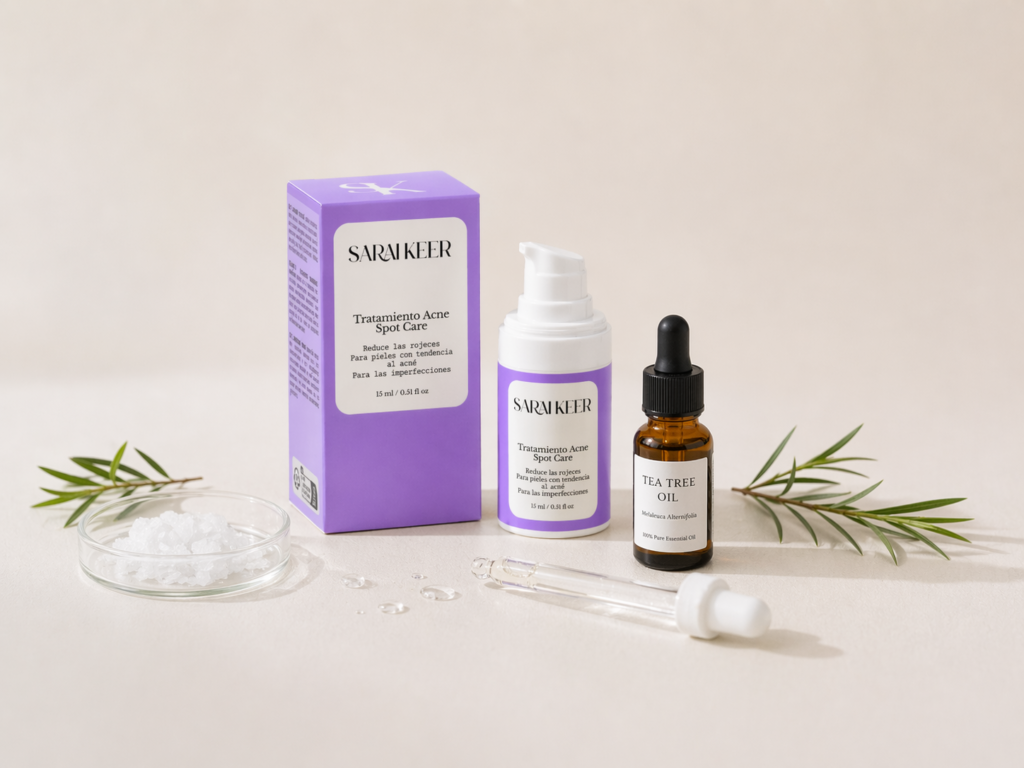
| Sarahkeer Spot Care Treatment | Spot Serum | Salicylic Acid 2%, Tea Tree 3% | It soothes the skin, reduces redness and acts directly on imperfections. |
Product Analysis: Sarahkeer Spot Care Treatment
Sarahkeer Spot Care treatment stands out for:
– Effective concentration: 2% salicylic acid and 3% tea tree oil
– Targeted application: Designed to be applied directly to the imperfection
– COSMOS Natural Certification: Vegan, gluten-free, nut-free
– Natural aroma: Fresh tea tree scent with herbaceous and earthy notes
– Format: 15 ml / 0.51 fl oz
Important Considerations
Choosing the right product is crucial for those who suffer from acne. The options presented here combine beneficial ingredients that help not only to hydrate, but also to soothe and balance the skin.
Note on Sarahkeer Spot Care: This product is a treatment , not a full-body moisturizer. It is specifically formulated for direct application to blemishes and pimples, making it ideal for oily and acne-prone skin. For a complete skincare routine, it is recommended to combine it with a non-comedogenic moisturizer.
It's essential to consider the characteristics of each product to find the solution that best suits your individual needs. Remember that choosing non-comedogenic formulas suitable for your skin type can make all the difference in your skincare routine.


